
Introduction
The modern landscape of health is undergoing a profound structural shift. For years, the prevailing approach to personal health was dominated by the concept of "biohacking"- an intense, data-driven pursuit of peak human performance. Driven by wearable devices tracking every metric from steps to glucose spikes, many individuals turned their daily health routines into a demanding performance evaluation. However, according to the latest research and data from the Global Wellness Summit, a powerful cultural backlash against this relentless over-optimisation is underway.
As global data from Gallup highlights that forty per cent of people report high anxiety on any given day, and over a third of individuals in major working economies report suffering from acute burnout, a realisation has surfaced: the true bottleneck to health is not a lack of discipline, but a profound state of nervous system exhaustion.
Modern life continuously barrages the human brain with non-stop digital stimulation, hyper-connected work schedules, artificial light, and global uncertainty. This constant sensory input traps the human body in a chronic, low-grade state of fight-or-flight. The traditional methods of stress management- such as occasional, reactive spa visits or occasional relaxation techniques- are proving insufficient against this level of neurological overload.
This is the catalyst behind "The Rise of Neurowellness," a defining global trend that reframes health around the deliberate regulation, recovery, and resilience of the autonomic nervous system before physical or psychological breakdown occurs. Rather than forcing the body into strict parameters of optimisation, the next era of health focuses on bio-harmonisation: establishing internal safety, emotional repair, and structural balance.
Understanding the Shift from Biohacking to Bio-harmonisation
To fully comprehend the rise of neurowellness, one must examine the limitations of the traditional wellness paradigm. Wearable technology initially brought physiological data to the masses, turning private struggles into visible metrics. Individuals became acutely aware of their daily sleep scores, heart rate variability (HRV), and recovery percentages. Yet, when these metrics consistently remained low despite strict lifestyle interventions, it became evident that the root issue was an unaddressed physiological imbalance: a dysregulated autonomic nervous system.
The autonomic nervous system is divided into two primary branches: the sympathetic nervous system, which drives the fight-or-flight survival response, and the parasympathetic nervous system, which governs rest, recovery, and digestion. When digital bombardment and chronic stressors keep the sympathetic branch continuously active, the body suffers from a cascade of systemic issues. This chronic activation manifests as fragmented sleep, systemic inflammation, cognitive fatigue, metabolic disruptions, and ultimate hormonal imbalances.
Neurowellness addresses this bottleneck by moving care upstream. Drawing heavily on advanced neuroscience, behavioural science, and sensory design, it shifts the focus from managing surface-level symptoms to training the nervous system for greater flexibility and capacity. The goal of bio-harmonisation is not to eliminate stress entirely- an impossible feat in contemporary society- but to build a resilient system that can transition smoothly between high-performance states and deep, restorative rest.
The Two Pillars of Neurowellness: Hard-Care Tech and Soft-Care Modalities
The expanding neurowellness market is structurally anchored by two distinct pathways of intervention: consumer-facing neurotechnology, often referred to as "hard-care," and evidence-based somatic practices, known as "soft-care." Both pathways aim to influence the involuntary circuits of the body, yet they utilise vastly different mechanisms to achieve neural regulation.
1. Hard-Care Consumer Neurotechnology
The integration of advanced technology into everyday health routines has evolved past passive tracking into active, non-invasive neuromodulation. The consumer neurotech sector is expanding rapidly, with innovative devices designed to influence brainwaves and neural pathways directly without requiring conscious cognitive effort.
- Vagus Nerve Stimulation (VNS): The vagus nerve is the longest cranial nerve in the body and serves as the literal highway of the parasympathetic nervous system. Modern consumer devices utilise low-level electrical or electromagnetic stimulation applied to the neck or ear to tone the vagus nerve, rapidly lowering heart rates and mitigating acute stress responses.
- EEG-Guided Sleep Systems: Advanced headbands and wearable systems now measure electroencephalogram (EEG) brain signals in real time. These systems utilise precise acoustic stimulation- such as auditory pacing or specialised tones- to actively guide fluctuating brainwaves into the slow-wave states necessary for deep, restorative sleep.
- At-Home Transcranial Direct Current Stimulation (tDCS): Previously restricted to clinical and research environments, non-invasive brain stimulation headsets are entering the consumer market. These devices deliver micro-currents to specific regions of the brain to help regulate mood, reduce chronic anxiety, and improve overall cognitive focus.
2. Soft-Care Somatic and Evidence-Based Anchors
Simultaneously, long-standing traditional practices are being thoroughly re-evaluated and reframed through the lens of nervous system medicine. Clinical institutions, including researchers at Stanford University, are increasingly validating that intentional, self-directed physical practices have measurable, immediate impacts on brain-body connections.
- Functional Breathwork: Specific alteration of respiratory patterns, such as extended exhalations or box breathing, alters carbon dioxide tolerance and directly signals safety to the brainstem, shifting the body out of sympathetic dominance within minutes.
- Conscious Touch and Somatic Release: Modalities such as touch therapy, structural integration, and specialised movement systems like the Feldenkrais Method work directly with the fascial system and proprioceptors to release stored physical tension and reset chronic postural fight-or-flight loops.
- Thermal Contrast Interventions: The strategic use of deliberate cold exposure and intentional heat therapy serves as a controlled stressor for the nervous system, training the body to maintain autonomic control under pressure and promoting profound parasympathetic rebound relaxation afterwards.
Environmental and Ambient Neurowellness: The Next Frontier
While current neurowellness interventions largely depend on an individual actively using a device or engaging in a specific practice, the next chapter of this trend involves moving these mechanisms directly into our surroundings. The future of nervous system regulation lies in ambient wellness- designing everyday environments that passively calm, restore, and support human biology without requiring deliberate effort.
In urban planning, real estate, and commercial architecture, design frameworks are evolving to counter continuous sensory overload. This includes the integration of sound-softened public architecture, acoustic insulation in residential spaces, and dedicated decompression zones in workplace environments.
By utilising biophilic elements, natural light optimisation, and advanced circadian lighting systems, modern living and working spaces can actively reduce baseline cortisol production and naturally encourage healthier sleep-wake cycles.
This ambient transition is also transforming commercial spaces, local fitness studios, and corporate wellness initiatives. Rather than treating health as an isolated activity performed for an hour a day, forward-thinking spaces are building subtle regulatory cues directly into their infrastructure. The integration of therapeutic soundscapes, micro-climate controls, and touchless recovery zones allows individuals to experience continuous neural decompression as they move through their daily lives.
Integrating Deep Neural Regulation into a Balanced Lifestyle
Adopting the principles of neurowellness does not require an immediate abandonment of traditional fitness or health goals. Instead, it introduces a necessary layer of strategic recovery that amplifies the benefits of all other health investments. When the nervous system is chronically dysregulated, the body struggles to repair muscle tissue, balance blood sugar, or clear metabolic waste efficiently. By prioritising autonomic balance, individual physiology becomes significantly more receptive to nutrition, physical training, and cognitive performance strategies.
A comprehensive approach to wellness involves recognising when the body requires active stimulation and when it demands deep physiological restoration. Incorporating short, repeatable neural resets throughout the week- whether through targeted breathwork, structured contrast therapy, or advanced sensory modulation- prevents chronic stress from compounding into clinical burnout. Ultimately, the rise of neurowellness reminds us that true health is built upon a foundation of internal safety, structural resilience, and the sustainable harmonisation of the brain and body.
Discover True Autonomic Balance with Emersion Wellness
At Emersion Wellness, we believe that modern health solutions must look beyond surface symptoms to address the core foundation of vitality: a calm, balanced, and resilient nervous system. True wellness cannot be achieved through exhausting over-optimisation or high-stress health regimens that leave the body feeling depleted and overwhelmed.
Our approach integrates advanced, non-invasive therapies with time-tested somatic practices to help individuals transition smoothly from chronic fight-or-flight into deep, regenerative recovery. By focusing on tailored care that honours your unique biological needs, we assist you in reducing systemic inflammation, restoring optimal sleep architecture, and cultivating long-term resilience against the demands of digital life. Experience the transformative power of genuine bio-harmonisation and discover how a regulated nervous system can elevate every aspect of your daily life.
Conclusion
The rise of neurowellness marks a crucial turning point in how humanity approaches long-term health. Moving past the exhausting demands of hyper-tracking and performance optimisation, the global community is recognising that the true foundation of vitality lies in the deliberate care of our nervous systems.
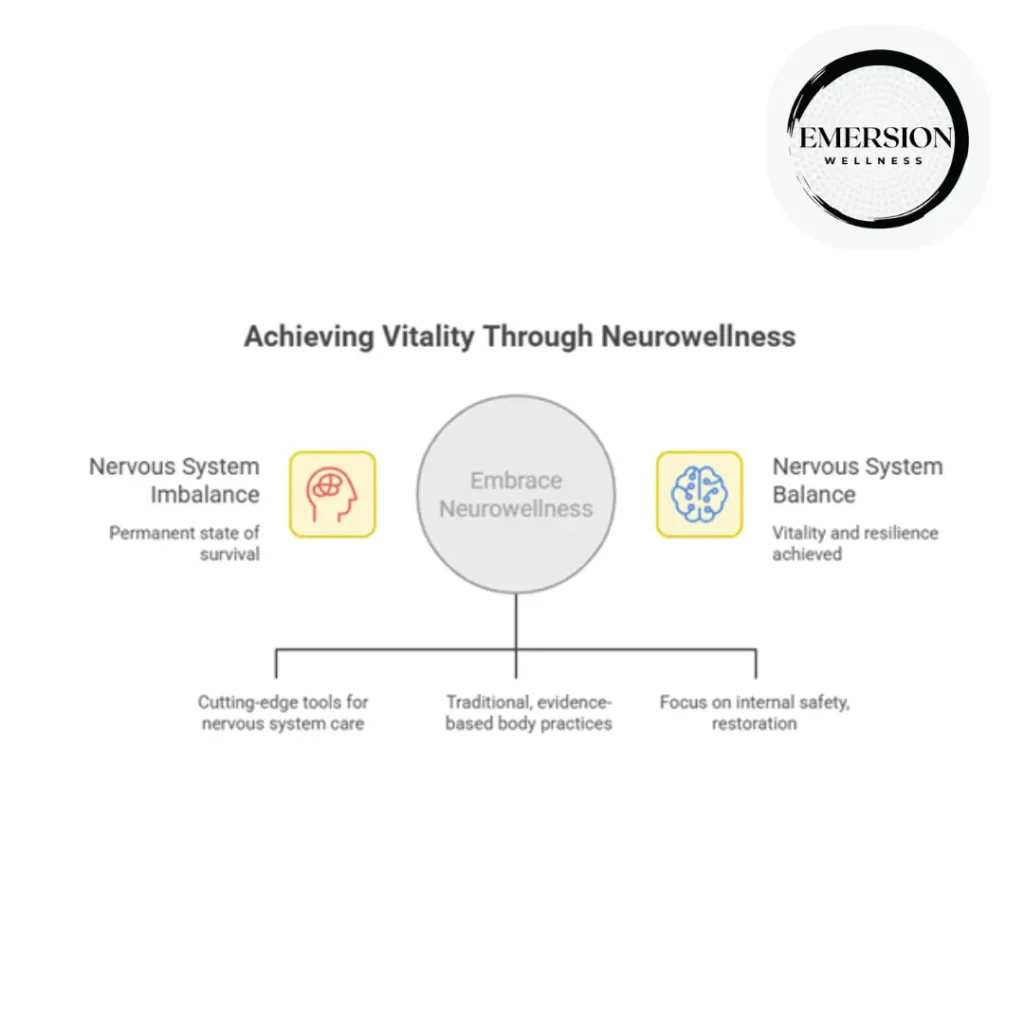
Whether through cutting-edge consumer neurotechnology or traditional, evidence-based somatic modalities, the path forward is centred on establishing internal safety, restoration, and resilience. By embracing these innovative frameworks and focusing on systemic bio-harmonisation, we can successfully navigate the complexities of our modern digital landscape without living in a permanent state of survival.
Also Read: Don't Get Hacked! 5 Shocking Hotel Cyber Security Statistics You Need to Know
Frequently Asked Questions
What exactly is the core focus of neurowellness?
Neurowellness focuses directly on regulating and balancing the autonomic nervous system, moving health goals away from stressful performance tracking toward deep physiological recovery and long-term structural resilience.
How does neurowellness differ from traditional stress management?
Traditional management often relies on occasional, reactive treatments after stress has accumulated, whereas neurowellness uses preventative neurotech and somatic practices to actively train the nervous system to handle daily stressors.
What is the difference between biohacking and bio-harmonisation?
Biohacking often involves pushing the body to its absolute limits using intensive tracking data, while bio-harmonisation prioritises creating internal physiological safety, lowering baseline cortisol, and restoring optimal nervous system function.
What role does the vagus nerve play in daily health?
The vagus nerve serves as the primary highway for the parasympathetic nervous system, directly regulating heart rate, reducing systemic inflammation, and signalling to the brain that the body is safe to rest.
What are some common examples of "hard-care" neurotech?
Common consumer examples include portable vagus nerve stimulation devices, EEG headbands that use acoustic tones to guide brainwaves into sleep, and at-home micro-current brain stimulation headsets.
What are the most accessible "soft-care" practices available?
Highly accessible soft-care options include functional breathwork, specialised somatic movement therapies like Feldenkrais, professional touch therapy, and targeted thermal contrast sessions such as deliberate cold exposure.
Can my physical environment affect my nervous system automatically?
Yes, modern environments filled with blue light, loud noises, and constant digital notifications trigger low-grade fight-or-flight, while ambient design with natural lighting and sound dampening actively promotes safety.
How do low sleep scores relate to nervous system health?
Consistently low sleep scores are often a direct indicator that the autonomic nervous system is trapped in sympathetic dominance, preventing the body from entering the deep, restorative phases of sleep.
Is neurowellness suitable for individuals dealing with professional burnout?
Yes, it is highly beneficial for burnout as it bypasses demanding cognitive tracking and focuses entirely on physiological decompression, giving the exhausted brain and body a structured pathway to recover.
How can I begin implementing neurowellness into my schedule?
You can begin by incorporating small, daily adjustments such as five minutes of functional breathwork, optimising your bedroom lighting, or utilising advanced, non-invasive regulatory therapies designed to restore baseline health.
