The Rise of Neurowellness: Why Nervous System Regulation is the Next Frontier in Modern Health

Introduction

The modern landscape of health is undergoing a profound structural shift. For years, the prevailing approach to personal health was dominated by the concept of "biohacking"- an intense, data-driven pursuit of peak human performance. Driven by wearable devices tracking every metric from steps to glucose spikes, many individuals turned their daily health routines into a demanding performance evaluation. However, according to the latest research and data from the Global Wellness Summit, a powerful cultural backlash against this relentless over-optimisation is underway.

As global data from Gallup highlights that forty per cent of people report high anxiety on any given day, and over a third of individuals in major working economies report suffering from acute burnout, a realisation has surfaced: the true bottleneck to health is not a lack of discipline, but a profound state of nervous system exhaustion.

Modern life continuously barrages the human brain with non-stop digital stimulation, hyper-connected work schedules, artificial light, and global uncertainty. This constant sensory input traps the human body in a chronic, low-grade state of fight-or-flight. The traditional methods of stress management- such as occasional, reactive spa visits or occasional relaxation techniques- are proving insufficient against this level of neurological overload.

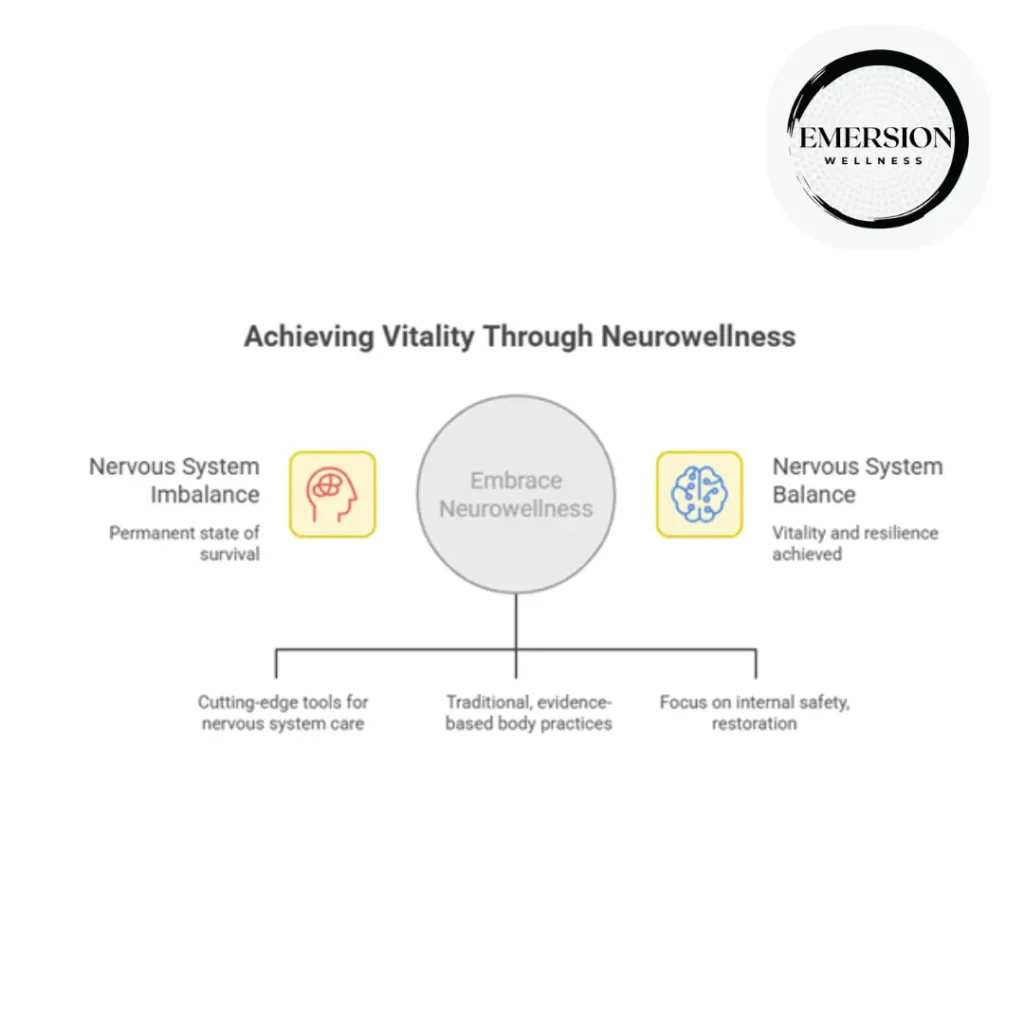
This is the catalyst behind "The Rise of Neurowellness," a defining global trend that reframes health around the deliberate regulation, recovery, and resilience of the autonomic nervous system before physical or psychological breakdown occurs. Rather than forcing the body into strict parameters of optimisation, the next era of health focuses on bio-harmonisation: establishing internal safety, emotional repair, and structural balance.

Understanding the Shift from Biohacking to Bio-harmonisation

To fully comprehend the rise of neurowellness, one must examine the limitations of the traditional wellness paradigm. Wearable technology initially brought physiological data to the masses, turning private struggles into visible metrics. Individuals became acutely aware of their daily sleep scores, heart rate variability (HRV), and recovery percentages. Yet, when these metrics consistently remained low despite strict lifestyle interventions, it became evident that the root issue was an unaddressed physiological imbalance: a dysregulated autonomic nervous system.

The autonomic nervous system is divided into two primary branches: the sympathetic nervous system, which drives the fight-or-flight survival response, and the parasympathetic nervous system, which governs rest, recovery, and digestion. When digital bombardment and chronic stressors keep the sympathetic branch continuously active, the body suffers from a cascade of systemic issues. This chronic activation manifests as fragmented sleep, systemic inflammation, cognitive fatigue, metabolic disruptions, and ultimate hormonal imbalances.

Neurowellness addresses this bottleneck by moving care upstream. Drawing heavily on advanced neuroscience, behavioural science, and sensory design, it shifts the focus from managing surface-level symptoms to training the nervous system for greater flexibility and capacity. The goal of bio-harmonisation is not to eliminate stress entirely- an impossible feat in contemporary society- but to build a resilient system that can transition smoothly between high-performance states and deep, restorative rest.

The Two Pillars of Neurowellness: Hard-Care Tech and Soft-Care Modalities

The expanding neurowellness market is structurally anchored by two distinct pathways of intervention: consumer-facing neurotechnology, often referred to as "hard-care," and evidence-based somatic practices, known as "soft-care." Both pathways aim to influence the involuntary circuits of the body, yet they utilise vastly different mechanisms to achieve neural regulation.

1. Hard-Care Consumer Neurotechnology

The integration of advanced technology into everyday health routines has evolved past passive tracking into active, non-invasive neuromodulation. The consumer neurotech sector is expanding rapidly, with innovative devices designed to influence brainwaves and neural pathways directly without requiring conscious cognitive effort.

2. Soft-Care Somatic and Evidence-Based Anchors

Simultaneously, long-standing traditional practices are being thoroughly re-evaluated and reframed through the lens of nervous system medicine. Clinical institutions, including researchers at Stanford University, are increasingly validating that intentional, self-directed physical practices have measurable, immediate impacts on brain-body connections.

Neurowellness

Environmental and Ambient Neurowellness: The Next Frontier

While current neurowellness interventions largely depend on an individual actively using a device or engaging in a specific practice, the next chapter of this trend involves moving these mechanisms directly into our surroundings. The future of nervous system regulation lies in ambient wellness- designing everyday environments that passively calm, restore, and support human biology without requiring deliberate effort.

In urban planning, real estate, and commercial architecture, design frameworks are evolving to counter continuous sensory overload. This includes the integration of sound-softened public architecture, acoustic insulation in residential spaces, and dedicated decompression zones in workplace environments. 

By utilising biophilic elements, natural light optimisation, and advanced circadian lighting systems, modern living and working spaces can actively reduce baseline cortisol production and naturally encourage healthier sleep-wake cycles.

This ambient transition is also transforming commercial spaces, local fitness studios, and corporate wellness initiatives. Rather than treating health as an isolated activity performed for an hour a day, forward-thinking spaces are building subtle regulatory cues directly into their infrastructure. The integration of therapeutic soundscapes, micro-climate controls, and touchless recovery zones allows individuals to experience continuous neural decompression as they move through their daily lives.

Integrating Deep Neural Regulation into a Balanced Lifestyle

Adopting the principles of neurowellness does not require an immediate abandonment of traditional fitness or health goals. Instead, it introduces a necessary layer of strategic recovery that amplifies the benefits of all other health investments. When the nervous system is chronically dysregulated, the body struggles to repair muscle tissue, balance blood sugar, or clear metabolic waste efficiently. By prioritising autonomic balance, individual physiology becomes significantly more receptive to nutrition, physical training, and cognitive performance strategies.

A comprehensive approach to wellness involves recognising when the body requires active stimulation and when it demands deep physiological restoration. Incorporating short, repeatable neural resets throughout the week- whether through targeted breathwork, structured contrast therapy, or advanced sensory modulation- prevents chronic stress from compounding into clinical burnout. Ultimately, the rise of neurowellness reminds us that true health is built upon a foundation of internal safety, structural resilience, and the sustainable harmonisation of the brain and body.

Discover True Autonomic Balance with Emersion Wellness

At Emersion Wellness, we believe that modern health solutions must look beyond surface symptoms to address the core foundation of vitality: a calm, balanced, and resilient nervous system. True wellness cannot be achieved through exhausting over-optimisation or high-stress health regimens that leave the body feeling depleted and overwhelmed.

Our approach integrates advanced, non-invasive therapies with time-tested somatic practices to help individuals transition smoothly from chronic fight-or-flight into deep, regenerative recovery. By focusing on tailored care that honours your unique biological needs, we assist you in reducing systemic inflammation, restoring optimal sleep architecture, and cultivating long-term resilience against the demands of digital life. Experience the transformative power of genuine bio-harmonisation and discover how a regulated nervous system can elevate every aspect of your daily life.

Conclusion

The rise of neurowellness marks a crucial turning point in how humanity approaches long-term health. Moving past the exhausting demands of hyper-tracking and performance optimisation, the global community is recognising that the true foundation of vitality lies in the deliberate care of our nervous systems. 

Whether through cutting-edge consumer neurotechnology or traditional, evidence-based somatic modalities, the path forward is centred on establishing internal safety, restoration, and resilience. By embracing these innovative frameworks and focusing on systemic bio-harmonisation, we can successfully navigate the complexities of our modern digital landscape without living in a permanent state of survival.

Also Read: Don't Get Hacked! 5 Shocking Hotel Cyber Security Statistics You Need to Know

Frequently Asked Questions

What exactly is the core focus of neurowellness?

Neurowellness focuses directly on regulating and balancing the autonomic nervous system, moving health goals away from stressful performance tracking toward deep physiological recovery and long-term structural resilience.

How does neurowellness differ from traditional stress management?

Traditional management often relies on occasional, reactive treatments after stress has accumulated, whereas neurowellness uses preventative neurotech and somatic practices to actively train the nervous system to handle daily stressors.

What is the difference between biohacking and bio-harmonisation?

Biohacking often involves pushing the body to its absolute limits using intensive tracking data, while bio-harmonisation prioritises creating internal physiological safety, lowering baseline cortisol, and restoring optimal nervous system function.

What role does the vagus nerve play in daily health?

The vagus nerve serves as the primary highway for the parasympathetic nervous system, directly regulating heart rate, reducing systemic inflammation, and signalling to the brain that the body is safe to rest.

What are some common examples of "hard-care" neurotech?

Common consumer examples include portable vagus nerve stimulation devices, EEG headbands that use acoustic tones to guide brainwaves into sleep, and at-home micro-current brain stimulation headsets.

What are the most accessible "soft-care" practices available?

Highly accessible soft-care options include functional breathwork, specialised somatic movement therapies like Feldenkrais, professional touch therapy, and targeted thermal contrast sessions such as deliberate cold exposure.

Can my physical environment affect my nervous system automatically?

Yes, modern environments filled with blue light, loud noises, and constant digital notifications trigger low-grade fight-or-flight, while ambient design with natural lighting and sound dampening actively promotes safety.

How do low sleep scores relate to nervous system health?

Consistently low sleep scores are often a direct indicator that the autonomic nervous system is trapped in sympathetic dominance, preventing the body from entering the deep, restorative phases of sleep.

Is neurowellness suitable for individuals dealing with professional burnout?

Yes, it is highly beneficial for burnout as it bypasses demanding cognitive tracking and focuses entirely on physiological decompression, giving the exhausted brain and body a structured pathway to recover.

How can I begin implementing neurowellness into my schedule?

You can begin by incorporating small, daily adjustments such as five minutes of functional breathwork, optimising your bedroom lighting, or utilising advanced, non-invasive regulatory therapies designed to restore baseline health.

The Dangers of Social Media Fitness Trends: The Real Hazards of Dry Scooping

Introduction

Social media has transformed the way information is shared, particularly within the wellness community. Platforms like TikTok frequently introduce viral challenges that promise rapid results, higher energy levels, or shortcut paths to peak physical performance. However, relying on short-form video platforms for medical or training advice can introduce significant risks to your overall health & fitness.

A prime example of this phenomenon is the trend known as "dry scooping." Popularised by fitness influencers as a method to enhance workout intensity, this practice involves consuming highly concentrated workout powders without mixing them with water. While social media clips may portray this as a harmless hack for a superior energy surge, medical professionals, including the American Lung Association, warn that the physical consequences can be severe.

Achieving long-term physical well-being requires a reliance on evidence-based methods rather than viral metrics. Understanding the biological mechanisms behind these trends highlights why shortcuts often compromise your personal journey toward true health & fitness.

Understanding the Viral Phenomenon of Dry Scooping

Dry scooping refers to the practice of taking a full scoop of pre-workout supplement, creatine, or protein powder and placing it directly into the mouth, swallowing the dry powder completely dry without any fluid. Traditionally, these dietary formulations are engineered to be dissolved completely in water and consumed gradually over the course of thirty to sixty minutes to support safe health & fitness routines.

The primary motivation driving this social media trend is the unsubstantiated claim that bypassing dilution leads to rapid absorption by the body. Proponents argue that entering the bloodstream faster creates a more pronounced, immediate surge in power and focus prior to training.

According to research and clinical data highlighted by health authorities, there is absolutely no scientific evidence or proven benefit supporting these claims. The human digestive tract is designed to process nutrients alongside hydration. Attempting to swallow ultra-fine, dehydrated compounds alters the delivery mechanism entirely, turning a standard gym supplement into an immediate hazard to your health & fitness.

The Serious Respiratory Impacts of Powder Inhalation

One of the most immediate and dangerous risks associated with dry scooping is the accidental inhalation of the fine powder. The human respiratory tract is highly sensitive to foreign particles, relying on a delicate balance of moisture and mucous membranes to function cleanly.

When an individual attempts to swallow a large volume of dry powder, the body's natural reflex is often to gasp or inhale sharply due to the intense texture or sudden coughing, this reaction causes the powder to bypass the esophagus and enter the airway directly, leading to the aspiration of foreign matter into the lungs and derailing your health & fitness goals.

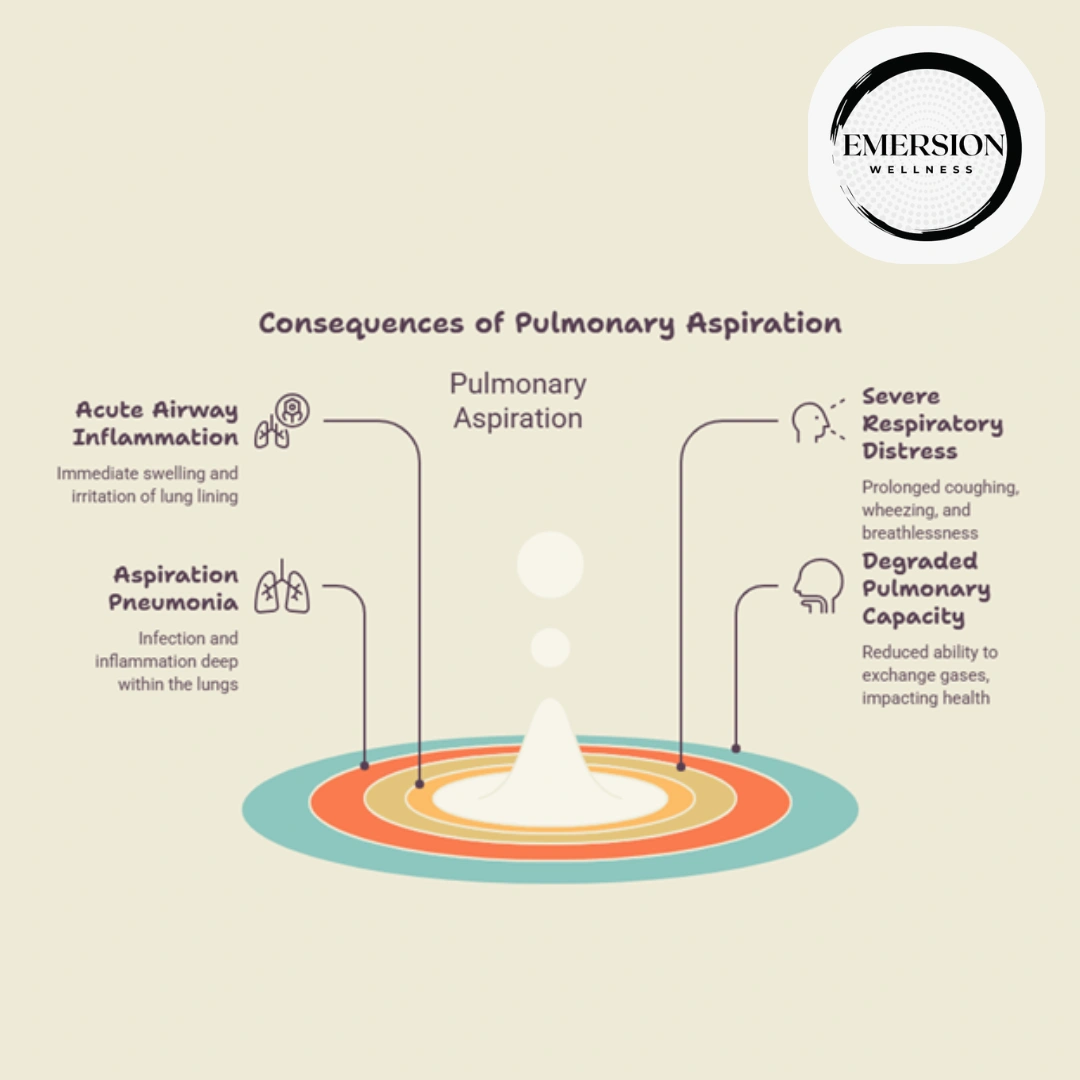
The consequences of pulmonary aspiration can be highly damaging:

The respiratory system requires a clean, unobstructed environment to facilitate optimal gas exchange during strenuous exercise. Introducing foreign chemical powders directly into the lungs severely degrades pulmonary capacity and damages the very systems required to sustain everyday health & fitness.

Cardiovascular Risks and Stimulant Overdose

Letting internet viral challenges dictate your approach to health & fitness can introduce severe stress to the cardiovascular network. The vast majority of pre-workout powders available on the market are dense formulations heavily reliant on high-potency stimulants, primarily anhydrous caffeine.

When these formulas are correctly dissolved in water and consumed over an extended period, the body processes the caffeine molecules gradually, allowing the circulatory system to adapt to the rising stimulant levels. Dry scooping completely destroys this controlled-release mechanism. Bypassing dilution causes the highly concentrated stimulants to hit the digestive system rapidly and all at once.

This sudden influx triggers an immediate, overwhelming surge of adrenaline, placing immense strain on the heart muscle. The rapid absorption can cause a dangerous spike in blood pressure and an elevated heart rate. In severe instances, this extreme stress on the cardiovascular system has been linked to acute cardiac events, including heart attacks, proving that bypassing safety instructions is completely counterproductive to health & fitness. Shortcutting hydration alters how these powerful compounds interact with your physiology, transforming a routine training supplement into a direct cardiotoxic threat.

Health & Fitness infographic

Safe and Evidence-Based Alternatives for Sustainable Energy

True physical capability is built on consistent, repeatable habits that fortify the body rather than push it to breaking point. Bypassing viral social media trends in favour of verified nutritional strategies ensures your body gets the energy it needs without systemic damage, keeping your health & fitness journey on the right track.

Optimising your nutrition for training requires a foundational focus on hydration, whole foods, and structured recovery.

Prioritise Foundational Hydration

Water is the ultimate performance enhancer. Cellular processes, muscle contractions, and nutrient transport all depend heavily on your hydration status. Drinking adequate water before, during, and after exercise prevents premature fatigue and maintains blood volume, allowing your heart to pump oxygen to working muscles efficiently without elevated stress, supporting sustainable health & fitness.

Leverage Whole Food Nutrition

Complex carbohydrates consumed two to three hours before training provide a sustained, reliable release of glucose into the bloodstream. Pairing these with lean proteins supports muscle tissue integrity and sustained stamina without the erratic energy crashes associated with high-dose chemical stimulants.

Cultivate a Professional Approach to Well-Being

Sustained physical development relies on an ecosystem that respects biological boundaries. For individuals seeking to refine their training routines, manage stress, or integrate health-centric protocols safely, working with verified professionals is essential to protect your lifelong health & fitness.

Utilising structured programs like those provided through the Emersion Wellness framework allows individuals to experience tailored, expert-backed health strategies. This systematic approach ensures that your fitness and wellness goals are pursued through proven, safe methodologies that protect your long-term vitality.

Conclusion: Protecting Long-Term Health Over Short-Term Trends

Viral trends will continue to cycle through social media platforms, but your physical well-being cannot be replaced. The hazards of dry scooping serve as a stark reminder that shortcuts in physical culture often yield dangerous consequences. Protecting your respiratory health, supporting your cardiovascular system, and relying on evidence-based nutritional protocols form the true foundation of sustainable longevity and rewarding health & fitness.

Always review the product label instructions on any supplement you choose to use, prioritise safety over internet metrics. For comprehensive, data-driven strategies designed to elevate your personal health & fitness safely and effectively, connect with the professional team at Emersion Wellness today.

Read Also: 10 Powerful Ways Contactless Hospitality Services Will Boost Your Hotel Revenue

Frequently Asked Questions

What is dry scooping?

Dry scooping is a viral social media fitness practice where individuals put a full serving of undiluted pre-workout powder, creatine, or protein powder directly into their mouth and swallow it dry, rather than mixing it with water as directed by product manufacturers.

Why do people dry scoop pre-workout powders?

Many gym-goers try this trend because internet influencers claim that bypassing fluid restriction speeds up the delivery of key nutrients into the bloodstream, creating a faster, heavier rush of energy and focus right before starting a high-intensity training session.

Is there any benefit to dry scooping?

No, there is absolutely no scientific backing or clinical evidence supporting these performance claims; the human digestive system requires water to break down these high-density compounds properly, meaning dry consumption offers no performance advantages while introducing severe physical risks.

How does dry scooping affect the lungs?

Because the fine, chalky particles are incredibly difficult to swallow completely dry, the body often triggers an involuntary coughing or gasping reflex, which accidentally draws the dense chemical powder straight past the esophagus and directly down into the airway and lung tissue.

Can dry scooping cause a heart attack?

Yes, pre-workout blends are loaded with concentrated stimulants like caffeine anhydrous, and swallowing them without water causes a rapid, unmoderated surge of stimulants into your system, which can spike blood pressure and heart rates to dangerous thresholds, risking acute cardiac episodes.

What ingredients make dry scooping particularly dangerous?

The primary danger stems from heavy doses of stimulants paired with artificial flavourings, citric acid, and flow agents, which are perfectly safe when diluted gradually in a large shaker bottle but become highly caustic and overstimulating when dumped raw into the throat.

What are the immediate side effects of dry scooping?

Individuals who attempt this practice frequently report sudden, severe coughing fits, choking sensations, intense chest tightness, an elevated or irregular heartbeat, acute throat irritation, and a wave of anxiety caused by the sudden chemical rush hitting their nervous system.

How should pre-workout supplements be consumed safely?

To protect your internal organs and ensure proper absorption, always follow the precise mixing instructions printed on the product label, which generally require dissolving one level scoop into roughly two hundred to three hundred millilitres of clean water and drinking it slowly over thirty minutes.

Can dry scooping damage your teeth?

Yes, pre-workout powders are highly acidic formulations designed to be diluted; dumping the raw powder straight onto your teeth allows concentrated citric acids and sugars to cling directly to your tooth enamel, which can quickly accelerate dental erosion and cavities.

Where can I find safe, professional lifestyle advice?

Instead of following unverified social media platforms, you should consult with certified healthcare practitioners or turn to established, evidence-based programs like Emersion Wellness to build a personalised, data-driven strategy that elevates your physical health & fitness safely.

AI Coaching Tools Are Here, and They’re Not the Competition You Think They Are

Introduction

The landscape of professional coaching, personal training, and holistic health is shifting rapidly beneath our feet. For the past couple of years, headlines have sounded a persistent, alarming drumbeat: Artificial intelligence is coming for your job. AI personal trainers will replace human intuition. Digital algorithms can customise workouts and nutrition plans at a fraction of the cost.

If you are a personal trainer, gym owner, health coach, or wellness professional, it is completely natural to look at these emerging platforms with a healthy dose of scepticism- and perhaps a bit of anxiety.

But here is the reality: AI coaching tools are here, and they are not the competition you think they are.

The initial panic surrounding automation in the health industry is giving way to a much more exciting, collaborative reality. When integrated strategically, artificial intelligence does not displace the human touch; it amplifies it. The wellness practitioners who thrive in this digital era will not be those who try to outcalculate machines. They will be the ones who leverage automated infrastructure to do what humans do best: build relationships, offer deep empathy, and read the subtle nuances of human behaviour.

Let’s unpack how AI in wellness is changing the rules of engagement, why automation is your ultimate administrative partner, and how boutique consulting companies like Emersion Wellness are bridging the gap between high-tech data and high-touch human care.

The Coexistence Model: Why Algorithms Can’t Replicate Human Connection

To understand why automated platforms are not an existential threat to your business, we have to look closely at what these tools can actually do- and more importantly, what they fundamentally cannot do.

The Limits of Synthetic Intelligence

Artificial intelligence excels at processing massive volumes of data at lightning speed. It can calculate an individual's caloric needs based on daily activity metrics, generate a mathematically sound progressive overload training split, and send automated text reminders to drink water at 10:00 AM.

What it cannot do is read the room

An AI application cannot look at a client’s slumped shoulders when they walk through the door and realise that a stressful day at the office means today should be a restorative, low-impact session instead of a heavy-lifting day. A chatbot cannot notice the subtle micro-expressions of hesitation when a client says their nutrition plan is "going fine," nor can it provide the deep psychological safety required to unpack lifelong emotional eating habits.

Moving From Calculators to Coaches

When clients pay for professional health services, they are not merely paying for information. Information is a commodity; it is readily available for free across the internet. Instead, clients are investing in:

The smartest approach to modern practice does not view technology as an adversary. Instead, it treats technology as an exceptionally organised back-office assistant. By letting digital systems handle the rigid, quantitative elements of programmatic design, you free up your mental bandwidth to focus entirely on the qualitative, deeply relational aspects of behavioural change.

Supercharging Your Practice with AI in Wellness

When you embrace the integration of AI in wellness, your daily operational capacity undergoes a profound transformation. Rather than spending late nights staring at spreadsheets, building identical calendar templates, or manually tracking biometric data points, you gain access to a scalable delivery engine.

Predictive Diagnostics and Tracking

Modern clients are walking into facilities equipped with an unprecedented amount of personal biometrics. Between smart rings, watches, and continuous glucose monitors, the average individual generates thousands of data streams regarding their sleep architecture, heart rate variability (HRV), and recovery cycles.

For a solo practitioner, interpreting this firehose of information for dozens of clients is an absolute impossibility.

This is exactly where machine learning shines. Advanced software engines can instantly synthesise wearable data, flagging potential red flags before they manifest as physical injuries or psychological burnout. Imagine receiving an automated dashboard notification stating: “Client Sarah’s HRV has dropped by 30% over the last three consecutive days, and her sleep efficiency is declining. Recommend lowering training volume for her session tonight.”

This is not automation replacing the coach- this is automation handing the coach a superpower.

Micro-Interventions and Retention Engine

The biggest point of failure in any health intervention occurs in the empty spaces between face-to-face appointments. A client might see you for one hour on Tuesday morning, but what happens during the remaining 167 hours of the week determines their ultimate success or failure.

Automated systems allow you to scale your presence through intelligent micro-interventions. Instead of manually texting every single person on your roster to check on their meal prep, smart algorithms can track client compliance inputs and automatically trigger hyper-personalised messages based on your exact philosophy.

If a client fails to log their metrics for two days, the system can prompt a supportive check-in, keeping the client engaged without consuming a single minute of your billable time. This level of continuous, invisible touchpoints drastically improves client retention, lowering churn rates by keeping individuals anchored to their wellness goals.

Case Study: How Emersion Wellness Bridges High-Tech and High-Touch

The theoretical benefits of technology are fantastic, but how does this look when applied to a real-world corporate and consumer market? To see the ideal harmonisation of digital architecture and human coaching, we can look at the methodology developed by Emersion Wellness.

The Strategic Optimisation of Delivery

Rather than fearing the rise of digital tools, Emersion Wellness built an operational framework that directly utilises them to elevate clinical outcomes. By employing advanced tracking matrices and automated data consolidation, they remove the traditional administrative friction that plagues most corporate health programs.

When a corporate client partners with Emersion Wellness, the onboarding, metric parsing, and foundational diagnostic pathways are systematically streamlined by software. This rapid processing ensures that when a human consultant sits down with an executive or an employee, they aren’t spending 45 minutes calculating baselines. They are looking at a beautifully synthesised, accurate health profile, allowing them to dive immediately into a deep, impactful behavioural strategy.

Enhancing, Not Replacing, the Professional

This balanced implementation is precisely why Emersion Wellness remains a leading voice in business-to-business health transformations. They have proved that the future does not belong to the coldest, fastest computer script, nor does it belong to the disorganised practitioner who refuses to open a laptop.

The future belongs to the augmented provider- the team that wraps advanced technology in an unshakeable layer of genuine human empathy and professional oversight.

The New Wellness Consumer: Data-Rich and Guidance-Starved

The consumer walking into your gym or signing up for your consulting service in 2026 is vastly different from the consumer of a decade ago. Thanks to the explosion of consumer-facing health technology, people are highly educated, immensely curious, and completely overwhelmed by their own data.

The Irony of Information Overload

We are living in an era where people have access to precise readouts of their REM sleep, metabolic typing, and daily step counts, yet chronic lifestyle diseases are still climbing globally. Why? Because data without contextual wisdom is completely useless.

A consumer can look at their phone and see that their recovery score is 42%, but they often have no practical idea what to do with that information. Should they skip their workout? Should they alter their macronutrient ratios? Is their stress stemming from nutrition, relationship anxieties, or poor sleep hygiene?

This gap between raw data and sustainable lifestyle action is your new career security. Your job is no longer to provide the numbers; your job is to interpret the narrative behind those numbers.

Harnessing the AI-Educated Client

Wellness professionals shouldn't look at a client who uses an AI workout generator as someone who is "stealing" business. In fact, these are your dream clients. Individuals who use software to map out their workouts are highly motivated, intensely consistent, and deeply invested in their personal vitality.

When they realise that their digital app cannot fix a chronic biomechanical compensation pattern, or help them break through a complex emotional plateau, they will look for an expert human eye.

When you position your brand as the ultimate layer of analytical interpretation and strategic guidance, you instantly capture a market of premium consumers who are happy to pay top dollar for your human expertise.

AI in wellness infographic

Action Plan: Integrating Smart Automation Without Losing Your Soul

If you are ready to modernise your health or coaching business to stay competitive, you do not need a multi-million dollar software budget. You just need a methodical approach to system integration.

To help you transition smoothly, follow this operational blueprint to steadily upgrade your business into an augmented, tech-forward practice.

1. Conduct a Technological Audit: Week 1.

Map out your current business operations. Identify every repetitive task you perform weekly: writing basic meal guidelines, tracking member attendance, scheduling phone calls, or sending invoice reminders. Highlight everything that does not require your specific creative genius.

2. Deploy Centralised Administration Platforms: Weeks 2-3.

Transition your business onto a robust, automated management software platform. Automate your billing schedules, client check-in notifications, and digital booking pipelines. This instantly reclaims hours of administrative time every single week.

3. Standardise Onboarding Data Collection: Week 4.

Incorporate digital intake forms that automatically capture client biometrics, wearable device choices, and baseline lifestyle markers. Ensure this information populates directly into a centralised dashboard before your first face-to-face evaluation.

4. Train Your Staff to: Ongoing.

Shift your team's coaching conversations. Instruct your trainers to stop asking generic questions like "Are you ready to lift?" and replace them with data-informed prompts: "I noticed your sleep quality dropped this week; let’s adjust our focus to form preservation and steady-state conditioning today."

Conclusion: The Horizon Belongs to the Augmented Professional

Artificial intelligence is not going to replace wellness coaches, personal trainers, or corporate health strategists. However, wellness professionals who use AI will inevitably replace those who do not.

The technological evolution currently sweeping through the fitness and health sectors is an incredible invitation. It is a tool designed to strip away the dull, repetitive administrative tasks that cause burnout among talented practitioners, leaving behind a pristine space dedicated entirely to human transformation.

By viewing these systems as a supportive asset rather than competition, you can build a highly efficient, data-intelligent business that delivers unmatched value to your clients.

If you are ready to explore how to perfectly marry advanced structural strategy with premium, high-impact health consulting, learn how the team at Emersion Wellness can guide your business into the future of corporate and individual health.

Read Also: 11 Creative Hotel Renovation Marketing Ideas to Boost Revenue

Frequently Asked Questions (FAQs)

What does "AI in wellness" mean for the average health consumer?

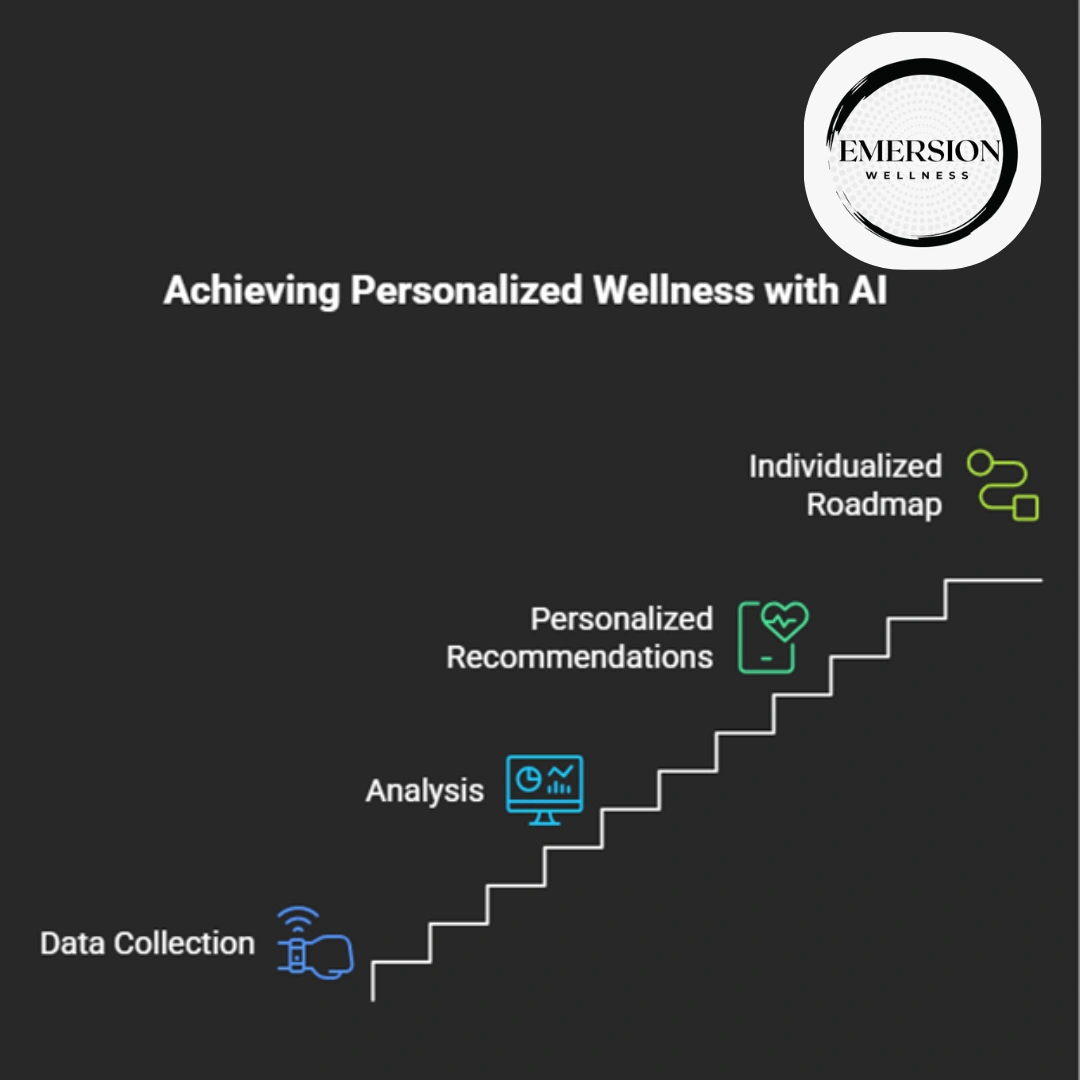
For consumers, it means highly customised, real-time access to health tracking. Instead of relying on rigid, generalised advice, software can analyse an individual's unique sleep, movement, and biological metrics to suggest daily lifestyle adjustments, creating a completely individualised road map to health.

Will artificial intelligence eventually make human personal trainers obsolete?

Absolutely not. While software can generate a mathematically perfect exercise list, it lacks behavioural empathy, emotional intelligence, and the ability to dynamically adjust for psychological factors like client burnout, stress, or low motivation. The human element remains critical for long-term behaviour change.

How can independent gym owners use artificial intelligence to compete with big fitness apps?

Gym owners can use automated backend platforms to manage member communication, billing tracking, and onboarding pipelines. By saving hours on administrative tasks, owners can redirect their resources toward building a tight-knit community, running engaging classes, and offering specialised coaching that software cannot replicate.

How does Emersion Wellness utilise technology in its consulting frameworks?

Emersion Wellness utilises advanced, structured data collection and streamlined analytical pipelines to quickly understand a corporate or individual client’s health profile. This allows their human consultants to spend less time calculating data and more time delivering highly personalised behaviour change and corporate strategy.

What are the main benefits of using digital tracking systems in corporate health programs?

Digital tracking systems allow corporate programs to scale effectively. They provide clear, anonymous aggregated data regarding employee stress, movement, and sleep patterns, allowing leadership teams to make smart structural changes that decrease workplace burnout and optimise overall productivity.

Are clients receptive to coaches using automated data analytics?

Yes, overwhelmingly so. Modern clients actively appreciate when a professional references their wearable data (such as sleep metrics or recovery scores). It demonstrates that the coach is paying close attention to their whole-body health rather than simply putting them through a generic workout script.

What is the most effective way to start using AI tools in a small coaching practice?

Start by automating your client intake pipelines, metric collections, and booking schedules. Once those are running smoothly, look into software options that aggregate client wearable statistics so you can view all of your clients' recovery metrics inside a single dashboard.

Can automated software help improve client retention rates?

Yes, significantly. Automated check-in systems ensure that no client slips through the cracks. By triggering helpful, automated notifications when a user misses a habit log or skips a session, you maintain a continuous loop of support that keeps them accountable and engaged over time.

Should health coaches teach clients how to use automated health tools?

Yes. Empowering your clients to understand their own biometric tools transforms them into active participants in their own health journey. Your role as a professional is to provide the expert interpretation and behavioural context that helps them make sense of those metrics.

Does using automation reduce the perceived value of premium coaching services?

Not if it is handled correctly. When you delegate mundane data organisation to software, you can deliver significantly higher value during your live consultations. Clients don't pay premium rates for your ability to organise spreadsheets; they pay for your profound wisdom, insight, and direct human encouragement.

The "Exercise as Medicine" Movement Has Landed in Your Gym: Redefining Weight Loss Management

Introduction

The landscape of the local gym is undergoing its most profound transformation in decades. If you step onto a commercial gym floor today, you will notice that the underlying motivation drawing people through the front doors has fundamentally changed. The era of marketing purely aesthetic transformations- six-pack abs, mirror-focused before-and-after photos, and extreme calorie deprivation- is sharing significant ground with a far more serious, scientifically backed cultural shift.

According to data tracking fitness industry trends, the global conversation surrounding physical activity has officially pivoted: "Exercise as Medicine" has landed in your gym.

More than ever, gym members are arriving not with a desire to hit an arbitrary goal weight for a summer vacation, but with direct recommendations from their primary care doctors, cardiologists, and endocrinologists. Individuals are working out to combat chronic conditions, manage metabolic stress, regulate insulin levels, and reverse markers of cardiovascular disease.

This intersection of clinical wellness and traditional fitness represents an incredible leap forward, particularly for individuals seeking sustainable, clinical-grade health strategies. By treating physical activity not as a form of physical punishment for what you ate, but as a precise physiological intervention, we unlock the most reliable framework for comprehensive health improvements and long-term Weight loss Management.

The Shift From Aesthetics to Longevity: Why Your Workouts Are Changing

For a long time, the commercial fitness landscape operated as an entertainment and vanity industry. Workouts were marketed as grueling trials meant to burn maximum calories at any cost, often leading to systemic burnout, joint injuries, and high dropout rates. This approach completely missed the broader physiological picture. Today, the mainstream adoption of longevity science has completely disrupted that outdated model.

The modern consumer is increasingly educated on the molecular impacts of movement. People now understand that physical movement serves as a primary biological driver of cellular repair, mitochondrial health, and cognitive preservation. When gyms align with this medical shift, the entire approach to sustainable Weight loss Management evolves from a temporary chore into a permanent health strategy.

Moving Beyond the Vanity Metrics

When people treat exercise strictly as a tool for immediate aesthetic enhancement, their relationship with physical activity becomes volatile. If the scale does not move downward within a few consecutive days, frustration sets in, frequently leading to abandonment of the routine.

Shifting the primary focus toward longevity variables completely reframes how progress is defined. When you exercise to lower your resting heart rate, improve your heart rate variability (HRV), optimize your lipid profiles, and stabilize your fasting blood glucose, your daily habits become rooted in deep health protection.

The fascinating paradox of this shift is that focusing heavily on cellular health and longevity parameters naturally creates the ideal physical environment for highly efficient fat reduction and metabolic optimization.

The Rise of Scientific Literacy in Gym Culture

Gym culture has evolved because consumers now have instant access to high-quality clinical research data. Everyday gym-goers are reading large-scale epidemiological studies showing that consistent physical movement dramatically alters all-cause mortality risks.

For example, a landmark comprehensive research review published in the British Journal of Sports Medicine demonstrated that dedicating just 30 to 60 minutes of strength training per week is linked to a 10% to 20% lower risk of all-cause mortality.

As these data metrics become a standard part of public knowledge, individuals are realizing that muscle tissue is not just for visual display; it is an active endocrine organ that regulates systemic inflammation, controls glucose disposal, and dictates your true biological age.

How Doctors and Fitness Professionals are Partnering

We are witnessing an unprecedented bridge being built between medical providers and fitness spaces. Progressive physicians are no longer simply advising patients to "lose weight and exercise more" in a vague sense. Instead, they are actively writing formalized prescriptions for structured physical movement.

Medical practitioners are partnering directly with clinical wellness experts who understand how to translate a medical diagnosis- such as prediabetes, fatty liver disease, or hypertension- into an actionable, progressive exercise prescription. This collaborative care model removes the guesswork for the patient, replacing vague intentions with structured, measurable wellness strategies that form the foundation of medical Weight loss Management.

Exercise as Medicine: The Biological Impact on Metabolic Health

To fully comprehend why treating movement as medicine changes the rules of body composition, you have to look closely at what occurs at the cellular level during and after a properly structured training session.

When you engage in targeted physical movement, you are triggering a massive, systemic cascade of biochemically therapeutic events that alter how your body handles energy, stores nutrients, and signals hormones. This biological shift is the secret weapon missing from traditional, unscientific approaches to Weight loss Management.

Reversing Insulin Resistance Through Muscle Contraction

Insulin resistance stands as the foundational roadblock for millions of individuals struggling with persistent weight gain. When your cells become deaf to insulin signals, glucose remains trapped in the bloodstream, forcing the pancreas to pump out even more insulin. Because elevated insulin levels act as a powerful hormonal lock on adipose tissue (fat stores), fat burning becomes biochemically blocked.

Physical exercise functions as a powerful non-pharmacological solution to this loop. When skeletal muscle contracts during resistance training or cardiovascular movement, it triggers the relocation of specialized glucose transporter proteins (specifically known as GLUT4 receptors) directly to the surface of the cell membrane.

Crucially, this process allows your muscles to pull glucose straight out of your bloodstream to use as immediate fuel completely independent of insulin. By bypassing the compromised insulin signaling pathway entirely, exercise rapidly clears circulating blood sugars, reduces the burden on your pancreas, and systematically lowers fasting insulin levels.

Over time, this cellular reset restores overall insulin sensitivity, unlocking the body's natural capacity to access and mobilize stored fat for energy.

Chronic Inflammation and Fat Storage

Obesity and metabolic dysfunction are characterized by a state of systemic, low-grade chronic inflammation. Excess visceral fat cells secrete pro-inflammatory chemical messengers called cytokines (such as TNF-alpha and Interleukin-6), which damage vascular health, impair cellular communication, and worsen metabolic stagnation.

When you establish a routine of progressive exercise, your contracting muscles produce and release their own specific signaling molecules, known as myokines. These muscle-derived myokines work actively to neutralize systemic inflammation.

By systematically dampening chronic inflammatory signaling, exercise directly repairs the neurochemical communication pathways between your body and your brain, supporting healthier metabolic rate regulation and more reliable appetite signaling.

Optimizing the Neuroendocrine System

Your metabolism does not operate as a simple math equation of calories consumed versus calories expended; it is governed entirely by a complex, sensitive neuroendocrine network. Chronic stress, elevated cortisol levels, poor sleep architecture, and leptin resistance combine to form a biochemical environment that forces the body to fiercely conserve fat.

Treating movement as medicine ensures that exercise is dosed precisely to optimize, rather than overwhelm, this neuroendocrine system. Properly regulated exercise lowers circulating cortisol over time, upregulates dopamine and serotonin receptor sensitivity, and sharpens the brain’s responsiveness to leptin (the hormone responsible for signaling fullness).

When your internal hormonal communication is balanced and smooth, the body naturally releases its survival-driven compulsion to store excess energy, paving the way for efficient, long-term body composition changes.

Weight loss Management infographic

Revolutionizing Weight Loss Management Through Clinical Fitness

When the "Exercise as Medicine" framework is applied directly to the challenge of long-term body composition optimization, it completely revolutionizes the practice of weight reduction. Traditional Weight loss Management strategies rely almost exclusively on severe, unsustainable caloric restriction.

While drastic dieting can force the numbers on a standard scale down temporarily, it regularly triggers a severe metabolic crisis that dooms long-term success. Clinical fitness solves this problem by shifting the focus entirely to metabolic preservation.

The Pitfalls of Muscle Loss During Weight Reduction

When a person drops weight solely through aggressive calorie cutting without structured muscle stimulation, up to 25% to 30% of the total mass lost can come directly from lean skeletal muscle tissue. This is a metabolic disaster for anyone trying to maintain long-term Weight loss Management.

Muscle tissue is the primary driver of your baseline metabolic rate; it is your body's single largest site for clearing glucose and burning fatty acids. Losing muscle tissue means your daily energy expenditure permanently plummets.

This explains the classic yo-yo dieting phenomenon: individuals finish a restrictive diet with a broken, slower metabolism, making it incredibly easy to regain the weight even while eating normal amounts of food.

Comprehensive medical wellness protocols place the absolute protection of muscle mass at the center of the strategy. By pairing smart nutritional support with targeted mechanical tension (resistance training), you send an unmistakable biological signal to the body that muscle tissue is essential for survival. This ensures that the weight reduced comes almost exclusively from adipose tissue, protecting your metabolic health for the future.

Upgrading the Resting Metabolic Rate (RMR)

Your Resting Metabolic Rate (RMR) represents the total number of calories your body burns at absolute rest just to keep your organs functioning and your cells alive. Lean muscle tissue is incredibly dense and metabolically expensive to maintain, requiring continuous energy clear up around the clock.

By utilizing clinical exercise to stimulate new muscle proteins and maintain lean mass during a fat reduction phase, you keep your RMR elevated. This cellular upgrade is a cornerstone of intelligent Weight loss Management.

Furthermore, intensive strength and functional training trigger a physiological phenomenon known as Excess Post-Exercise Oxygen Consumption (EPOC). Following a well-designed session, your body must expend extra energy for up to 24 to 48 hours to restore oxygen stores, clear metabolic byproducts, and repair cellular micro-tears. This extended cellular recovery window provides a prolonged boost to your baseline energy expenditure.

Cultivating a Sustainable Lifestyle Over Quick Fixes

The ultimate limitation of old-school weight loss programs is that they have a definitive end date. They are built on temporary, white-knuckle restriction that cannot be maintained forever.

When you shift your mindset to viewing exercise as medicine, you transition into a permanent, lifestyle-focused strategy. You stop asking, "How fast can I force this weight off?" and begin asking, "What structured physical habits can I build today that will support my cardiovascular health, physical mobility, and metabolic vitality for the next several decades?"

This mental shift replaces feelings of deprivation with empowerment, turning physical activity into an indispensable, rewarding component of your daily life and a primary tool for holistic Weight loss Management.

Implementing Clinical Wellness: How Emersion Wellness Guides Your Journey

Navigating the intersection of medical science and day-to-day fitness can feel overwhelming if you try to go it alone. Designing an exercise protocol that aggressively optimizes metabolic performance while fully protecting your joints and balancing your hormones requires a high degree of clinical specialization. This is precisely where the professional team at Emersion Wellness excels.

Emersion Wellness stands at the absolute forefront of this cultural shift, seamlessly translating clinical health data into highly customized, real-world protocols. Rather than giving you a generic, mass-produced workout routine, their approach treats your unique physiology as the baseline roadmap for comprehensive Weight loss Management.

Every program at Emersion Wellness begins with a deep, comprehensive look into your individual metabolic health markers, past injury history, unique lifestyle stressors, and specific long-term health goals. By integrating advanced functional movement analysis with targeted wellness tracking, their specialized coaches construct a personalized framework designed to optimize your internal biomarkers while driving steady body composition improvements.

Whether your primary health goal is reversing insulin resistance, lowering systemic inflammation, reclaiming functional mobility, or establishing a reliable system for sustainable Weight loss Management, Emersion Wellness delivers the elite expertise, continuous accountability, and compassionate guidance required to turn scientific theory into lasting physical transformation.

Conclusion: Empowering Your Long-Term Health Journey

The arrival of the "Exercise as Medicine" movement across the global fitness landscape marks a major victory for long-term health. We are finally moving away from superficial, short-sighted vanity metrics and moving into an era centered on genuine metabolic health, structural longevity, and sustainable body transformation.

When you stop treating physical movement as a tool to look a certain way and start embracing it as a powerful biological resource to optimize your health, the entire concept of Weight loss Management becomes clear and achievable.

By prioritizing your internal biomarkers, protecting your vital lean muscle mass, and honoring your unique neuroendocrine system, you create a healthy bodily environment where persistent fat reduction happens naturally.

True fitness isn't about short-term deprivation; it is about building a vibrant, resilient body capable of thriving for a lifetime. Partnering with dedicated professionals like the team at Emersion Wellness ensures that your personal health strategy is safe, scientifically precise, and structured to deliver life-changing wellness outcomes that endure.

Read Also: 10 Powerful New Marketing Concepts for Hotel Services to Dominate the Market

Frequently Asked Questions (FAQs)

What exactly does the "Exercise as Medicine" trend mean for everyday gym members?

This movement represents a shift where workouts are designed around objective medical health parameters- such as lowering blood pressure, reversing insulin resistance, and managing chronic inflammation- rather than focusing exclusively on superficial vanity goals or immediate weight changes on a scale.

How does viewing exercise as medicine improve Weight loss Management?

By prioritizing cellular health and muscle retention, you protect your resting metabolic rate from crashing during a fat reduction phase. This approach shifts the focus away from severe caloric deprivation and onto sustainable lifestyle design, effectively preventing the common yo-yo dieting cycle.

Can I still achieve my fat loss goals if I focus on longevity instead of scale weight?

Focusing on longevity and metabolic markers creates the exact biological environment needed for fat loss. When you improve insulin sensitivity and lower chronic inflammation, your body can access and burn stored body fat for fuel much more efficiently, simplifying long-term Weight loss Management.

How much strength training is needed to experience measurable health benefits?

Clinical research indicates a surprisingly low minimum effective dose. A major study published in the British Journal of Sports Medicine found that just 30 to 60 minutes of total strength training per week was tied to a significant 10% to 20% lower risk of all-cause mortality.

Why is losing muscle mass during a weight reduction program so dangerous?

Lean muscle tissue is your body's primary site for clearing blood glucose and maintaining your resting metabolism. If you drop weight by starving yourself without exercising, a large portion of that loss comes from muscle, which slows your metabolism and compromises future Weight loss Management efforts.

What role does wearable technology play in this new clinical fitness trend?

Modern wearables track deep physiological data like sleep quality, stress levels, and heart rate variability (HRV). Progressive fitness coaches utilize this data to alter daily workout intensities, matching training stress to the individual’s recovery capacity to prevent burnout.

How does exercise act as a natural solution for insulin resistance?

Muscle contractions during a workout pull glucose directly out of your blood stream to use as fuel by moving GLUT4 transporter proteins to the cell surface. This process operates entirely independent of insulin, lowering blood sugar and giving an overstressed pancreas a chance to recover.

Do I need to be in great physical shape to start a clinical wellness program?

Not at all. Because clinical fitness views exercise as a precise medical intervention, programs are designed around your current functional starting point. Low-impact movements, controlled tempos, and personalized progressions make it completely safe and accessible for individuals of all ages and fitness levels.

How does Emersion Wellness differ from a traditional commercial gym?

Traditional commercial gyms often provide access to equipment with a one-size-fits-all approach. Emersion Wellness focuses heavily on your individual physiology, utilizing personalized evaluations to build customized protocols that safely target your metabolic health, longevity, and long-term Weight loss Management.

How do I know if my current exercise routine is supporting my metabolic health?

Objective signs of improved metabolic health include experiencing more stable daily energy levels, improved sleep patterns, faster physical recovery, better joint mobility, and positive changes in blood work markers such as fasting blood glucose, HbA1c, and lipid profiles.

The Ultimate Guide to Stimulating Collagen: Why It Is the Best Thing for Your Skin, According to Experts

Every year, a dazzling array of skincare trends floods our feeds, promising everything from instant glass skin to overnight face-lifts. Yet, if you look past the viral marketing and consult the world's leading dermatologists, the core advice remains remarkably consistent. According to industry experts, stimulating collagen is the single most crucial thing you can do for your skin's longevity, structural integrity, and youthful vibrance.

Collagen is the most abundant protein in our bodies. It functions as the scaffolding that keeps our skin firm, plump, and resilient. However, our bodies undergo a natural biological shift as we mature. Starting in our mid-20s, we begin to lose roughly 1% of our collagen stores every single year. Without targeted intervention to boost this structural protein, the skin gradually experiences sagging, deep static wrinkles, thinned tissue, and a noticeable loss of volume across the jawline and cheeks.

To counter this inevitable decline, we must look at skin health through a comprehensive lens. Real transformation doesn't happen by slathering a single "miracle" cream on your face; it requires a strategic combination of high-performance topical treatments, professional guidance, and internal cellular support. This guide explores the multi-faceted approach to collagen production, detailing how a lifestyle rooted in target nutrition wellness can optimize your results from the inside out.

Understanding the Science of Skin Elasticity and Aging

To effectively preserve your skin's youthful structure, you first need to understand how collagen behaves beneath the surface. It isn't a static substance; it is a dynamic protein network constantly interacting with your environment, genetics, and daily habits.

The Biological Role of Collagen

In the dermal layer of your skin, collagen fibers intertwine with elastin and hyaluronic acid to form an intricate matrix. Collagen provides the tensile strength that prevents sagging, while elastin gives your skin the ability to snap back into place after movement. Together, they create a smooth, firm canvas. When you stimulate this matrix, you aren't just smoothing out a few surface fine lines; you are actively increasing the overall density and thickness of your skin. This enhanced density protects the delicate skin barrier, balances its natural pH levels, and dramatically improves moisture retention.

Why Collagen Production Declines

The gradual reduction of collagen production starting in your mid-20s is driven by both internal biological clocks and external stressors. Naturally, our cellular turnover slows down, and the fibroblasts- the cells responsible for synthesizing collagen- become less active.

This internal decline is severely accelerated by environmental factors, particularly ultraviolet (UV) radiation from the sun and environmental pollution. These external elements generate unstable molecules known as free radicals. Free radicals act like molecular scissors, aggressively breaking down existing collagen fibers and weakening the quality of any new collagen your body manages to produce. This dual assault makes consistent sunscreen application and proactive collagen stimulation absolute non-negotiables for healthy aging.

The Genetic Impact on Your Skin Architecture

Your genetics establish the baseline density and structural architecture of your skin's collagen fibers. Some individuals are genetically predisposed to have an inherently denser, more resilient dermis. This means their skin naturally sags later in life and responds more robustly to topical stimulation.

However, experts stress that genetics set the floor and the ceiling of your skin's potential- not the final outcome. Consistent skincare habits, deliberate sun avoidance, and targeted internal support can narrow the gap between a genetically disadvantaged and an advantaged skin type, allowing anyone to achieve vibrant, firm skin.

Topical Actives That Provenly Boost Collagen Synthesis

While internal health forms the foundation of your skin architecture, daily topical treatments act as direct messengers to your skin cells. They signal the dermis to speed up repair and produce higher-quality structural proteins. When selecting skincare products, experts recommend prioritizing a handful of gold-standard, clinically proven active ingredients.

The Gold Standard: Retinoids and Retinol

When it comes to topical collagen induction, retinoids remain the undisputed champion. Derivatives of Vitamin A, such as over-the-counter retinol or prescription-strength tretinoin, work by accelerating skin cell turnover and directly triggering the fibroblasts to synthesize fresh collagen. This process systematically builds up skin density over time, smoothing out deep wrinkles and clearing away surface imperfections.

Because potent retinoids can occasionally trigger dryness or irritation, experts recommend a "less is more" philosophy. Consistently using a gentle, well-formulated active every single night yields far better, safer results than occasionally applying an overly aggressive formula that compromises your skin barrier.

The Protective Power of Vitamin C

If retinoids are your nighttime recovery tool, Vitamin C is your morning shield. Applying a potent Vitamin C serum at the start of your day neutralizes the free radicals caused by pollution and UV light before they can damage your existing collagen matrix.

Beyond its defensive capabilities, Vitamin C is a critical co-factor in the body’s natural collagen synthesis process. It helps cross-link amino acids to create stronger, significantly higher-quality collagen fibers, while visibly boosting the skin's volume and radiance. Incorporating Vitamin C into your routine as early as your 20s helps preserve your baseline skin density before major depletion begins.

Signaling Molecules: Peptides and Growth Factors

Peptides are short chains of amino acids that act as precise cellular messengers. When applied topically, they mimic the breakdown products of natural collagen. This tricks your skin into believing it has suffered a recent injury, prompting it to synthesize a fresh batch of structural proteins.

Peptides work beautifully alongside growth factors and botanical alternatives like bakuchiol to soothe inflammation, reinforce the skin barrier, and naturally firm the tissue without the redness or peeling occasionally triggered by traditional retinoids.

The Role of Chemical Exfoliants

Alpha-hydroxy acids (AHAs), such as glycolic and lactic acid, are excellent additions to a collagen-boosting regimen. By gently dissolving the bonds holding dead cells to the skin's surface, chemical exfoliants instantly reveal a brighter, more reflective glow. More importantly, this micro-peeling effect sends a signal down to the deeper layers of the dermis, accelerating cellular regeneration and encouraging long-term collagen formation.

In-Office and At-Home Advanced Therapies

For those looking to accelerate their anti-aging results, combining daily topical products with targeted physical stimulation can yield profound transformations. These treatments range from powerful, controlled medical procedures to steady, non-invasive at-home devices.

Professional In-Office Procedures

Dermatologists agree that professional, in-office treatments are the single most efficient way to rapidly stimulate massive collagen production. Advanced modalities like fractional laser resurfacing, radiofrequency (RF), professional micro-needling, deep chemical peels, and ultrasound therapy (such as Ultherapy) all operate on a shared biological principle: they create controlled, microscopic injuries within the skin.

This highly targeted micro-trauma triggers the body’s full wound-healing cascade. The brain recognizes the perceived tissue disruption and instantly floods the treated area with a massive wave of fresh collagen and elastin. Because these treatments are highly customized and penetrate deep into the dermis, they offer dramatic improvements in skin laxity, jawline definition, and deep scar recovery.

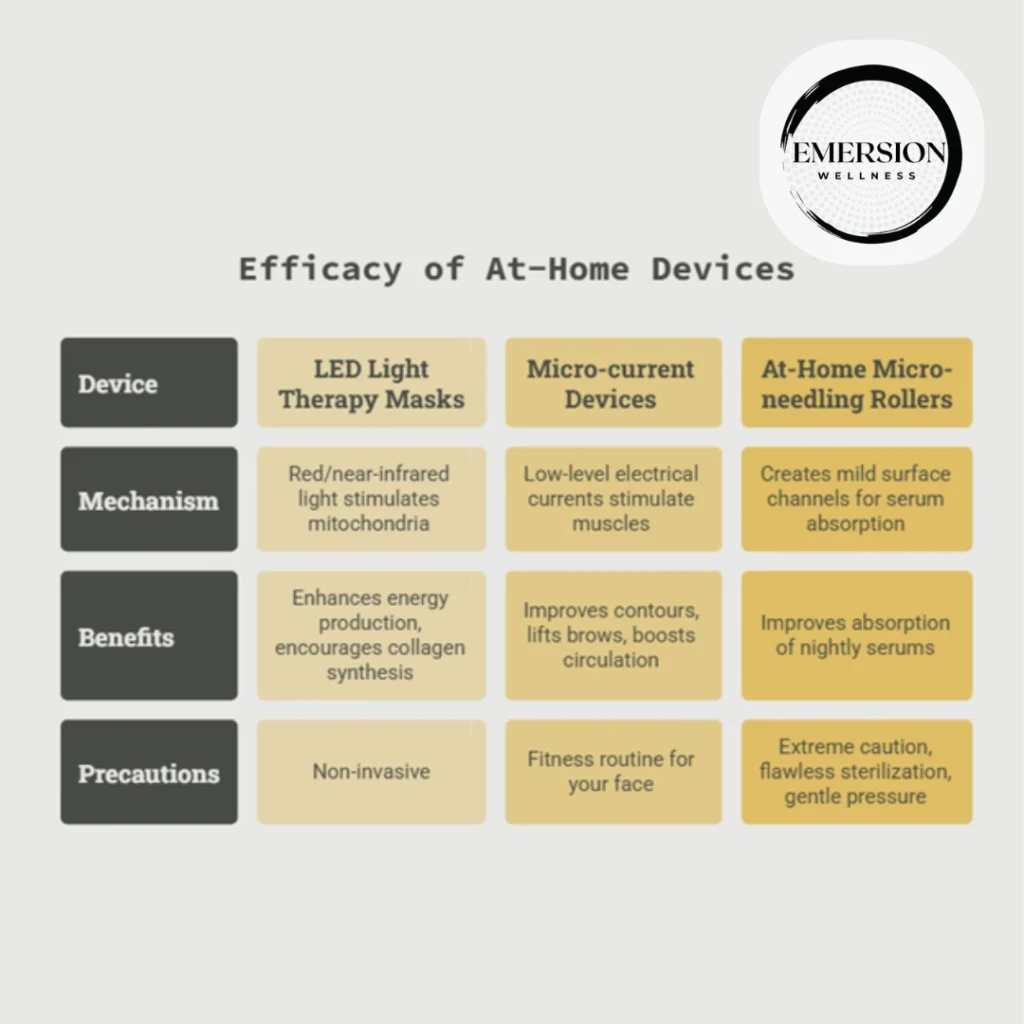
The Efficacy of At-Home Devices

If frequent medical treatments do not fit your lifestyle or budget, you can easily integrate supportive at-home technologies into your evening ritual. While home devices operate at a lower energy level than their clinical counterparts, consistent usage can provide noticeable structural support over time.

Fueling Beauty: The Vital Role of Nutrition Wellness

While high-end topicals and advanced lasers work wonders from the outside, your body cannot build strong structural proteins without the proper internal building blocks. True skin rejuvenation requires a holistic approach that aligns your external skincare routine with a dedicated internal lifestyle focused on nutrition wellness.

The Connection Between Diet and Collagen

Your skin cells require a steady influx of specific vitamins, minerals, and amino acids to successfully manufacture high-quality collagen. Simply put, what you consume directly establishes both the floor and the ceiling of your skin's regenerative capacity.

A diet rich in diverse, clean whole foods ensures your fibroblasts have an abundance of raw materials to keep your skin matrix strong and pliable. Conversely, a poor diet high in processed sugars can trigger a destructive process known as glycation, where sugar molecules attach directly to collagen fibers, causing them to become stiff, brittle, and highly prone to premature snapping.

Essential Nutrients for Maximum Synthesis

To optimize your skin's internal building power, your regular meal planning should focus heavily on key skin-loving nutrients:

Integrating Supplements for Radiance

For individuals balancing busy schedules or seeking to maximize their skin-firming results, high-quality ingestible supplements can be an excellent addition to a holistic routine. Hydrolyzed collagen peptides, which are broken down into tiny, highly bioavailable fragments, travel through the bloodstream directly to the dermis. Once there, they signal the skin's natural repair mechanisms to ramp up production.

To maximize the efficacy of these supplements, they should be paired with a comprehensive approach to internal wellness. This is exactly where the team at Emersion Wellness shines. Rather than offering generic, one-size-fits-all beauty advice, Emersion Wellness looks at your body as an interconnected system.

Their customized strategies seamlessly bridge the gap between clinical skin stimulation and tailored nutrition wellness planning. By optimizing your gut health, correcting systemic nutrient deficiencies, and designing a lifestyle that actively fights free-radical damage, they ensure your body has every tool necessary to cultivate a lasting, youthful glow from within.

Designing a Seamless Anti-Aging Skincare Regimen

Building a beautiful, resilient skin matrix does not require an overwhelming 10-step routine. Instead, experts advocate for a balanced, consistent daily structure that targets protection in the morning and deep cellular repair at night.

Your Daily Collagen Routine

The Morning: Protection & Defense

  1. Cleanse: Use a gentle, pH-balanced, non-stripping cleanser to prep your skin canvas without disrupting your natural oils.
  2. Antioxidant Serum: Apply a high-quality Vitamin C serum to neutralize daily environmental pollutants and free radicals.
  3. Eye Cream: Gently tap on a dedicated eye cream to hydrate the delicate, thin skin around the orbital bone where expression lines first appear.
  4. Sunscreen (SPF 30+): Finish with a generous layer of broad-spectrum sunscreen. UV protection is the single most important step to prevent the premature breakdown of your existing collagen.

The Evening: Stimulation & Repair

  1. Double Cleanse: Use an oil-based cleanser followed by a water-based wash to thoroughly remove makeup, sebum, and daily debris.
  2. Targeted Active: Apply your chosen retinoid or peptide serum to directly signal your fibroblasts to synthesize fresh collagen while you sleep.
  3. Moisturizer: Apply a nourishing cream rich in ceramides and fatty acids to lock in hydration and support skin barrier repair.

Conclusion: Investing in Your Skin's Future

Stimulating collagen production is undoubtedly the smartest investment you can make for the long-term health and vibrance of your skin. By proactively supporting this essential structural protein, you can maintain firm contours, minimize the appearance of deep wrinkles, and preserve a healthy, natural radiance at every stage of life.

Achieving your best skin requires a beautiful harmony between external care and internal vitality. While topical retinoids, defensive antioxidants, and advanced dermatological treatments provide necessary external stimulation, a lifestyle deeply rooted in nutrition wellness ensures your cells are fully equipped to build a strong, resilient foundation. True, lasting beauty is a reflection of how well you nourish your body as a whole.

If you are ready to cut through the noise of fleeting beauty trends and build a customized, scientifically backed path to youthful skin, the team at Emersion Wellness is here to guide you. Their holistic, expert-led programs harmonize cutting-edge skincare strategies with tailored internal nutrition tracking to help you achieve a radiant transformation that begins deep beneath the surface.

Take the Next Step Toward Radiant Skin

Are you ready to revitalize your skin texture and unleash a youthful, healthy glow that lasts? Don't leave your collagen production to chance or guesswork. Connect with the dedicated specialists at Emersion Wellness today.

Read Also: Professionalism in Spa Services: 8 Powerful Secrets to Boost your Spa Revenue!

Frequently Asked Questions (FAQs)

At what age should I actively start stimulating collagen?

Natural collagen production begins its gradual decline around age 25. While you do not need aggressive anti-aging treatments in your early 20s, this is the perfect time to build a solid preventative foundation. Incorporating daily broad-spectrum sunscreen and a stable morning Vitamin C serum will protect your baseline density, making future stimulation much more effective.

Can I get enough collagen through my daily diet alone?

A clean, balanced diet rich in amino acids, Vitamin C, and trace minerals provides your body with the necessary raw materials for protein synthesis. However, because natural cellular processes naturally slow down as we grow older, relying solely on your diet may not completely offset the annual 1% decline. Combining a nutrient-rich diet with targeted topical actives or professional treatments ensures comprehensive, noticeable results.

How long does it typically take to see visible changes from a collagen routine?

Collagen synthesis is a steady, cellular process that unfolds over time rather than overnight. While chemical exfoliants or specialized facials can provide an immediate surface glow within days, it takes roughly 4 to 12 weeks of consistent topical active use (like retinoids) or a series of professional treatments to see visible improvements in firmness, skin density, and wrinkle reduction.

Are ingestible collagen supplements truly effective for skin health?

Clinical studies show that high-quality hydrolyzed collagen peptides can be highly beneficial. When ingested, these peptides are broken down into smaller, easily absorbable amino acid chains. They enter the bloodstream and signal the body's natural repair mechanisms to ramp up dermal production, boosting overall hydration, tissue elasticity, and smooth texture.

What are the best non-invasive at-home devices for skin firming?

LED light therapy masks (utilizing red and near-infrared light frequencies) and microcurrent devices are two of the most popular and scientifically backed at-home options. LED masks help energize fibroblast cells to encourage protein production, while micro-current tools gently stimulate and tone the underlying facial muscles for an immediate, subtle lifting effect.

Can lifestyle choices like sleep patterns directly affect my skin matrix?

During deep sleep cycles, your body enters a critical state of cellular repair and growth, releasing essential hormones that stimulate tissue healing. Chronic sleep deprivation elevates cortisol (the body's primary stress hormone), which can trigger systemic inflammation and accelerate the premature breakdown of both collagen and elastin fibers.

How does a holistic approach to nutrition wellness benefit my skin over time?

Focusing deeply on internal health targets the root causes of premature aging rather than simply concealing surface symptoms. A lifestyle centered on optimal nutrition wellness keeps the body supplied with anti-inflammatory compounds and vital antioxidants, neutralizing free-radical damage from the inside out and providing the ideal internal environment for maximum cellular renewal.

Will using multiple strong anti-aging products at once speed up my results?

When it comes to high-performance skincare, more is rarely better. Layering too many potent active ingredients simultaneously- such as mixing high-strength retinoids, glycolic acids, and Vitamin C all in one evening- can compromise your skin’s delicate moisture barrier. This causes chronic irritation, redness, and inflammation, which actually hinders the skin's natural ability to produce healthy new tissue.

What is the fundamental difference between professional lasers and home devices?

Professional, in-office lasers operate at much higher energy frequencies and precisely penetrate into the deeper layers of the dermis to trigger a controlled wound-healing response. At-home devices are intentionally engineered with lower energy levels to ensure complete safety for personal use. They require frequent, long-term consistency to achieve gradual, subtle improvements.

How can the expert team help maximize my skin's vitality?

Expert team takes a comprehensive, multi-dimensional approach to longevity and beauty. Instead of treating your skin in total isolation, their experts analyze your unique lifestyle, gut health, and systemic nutrient balance. By seamlessly blending cutting-edge external skincare recommendations with a personalized internal wellness plan, they help you build a highly resilient, youthful body and a lasting, radiant complexion.

The Science of Longevity: How Strategic Travel Acts as the Ultimate Anti-Aging Therapy

Introduction

For decades, the search for the fountain of youth has been confined to skincare aisles, local gyms, and dietary supplements. We diligently slather on retinol creams, swallow antioxidant pills, and monitor our daily step counts in a collective effort to outrun the biological clock. However, groundbreaking scientific research suggests that the ultimate anti-aging breakthrough won't be found in a jar or a lab- it might just be waiting for you at the airport departure gate.

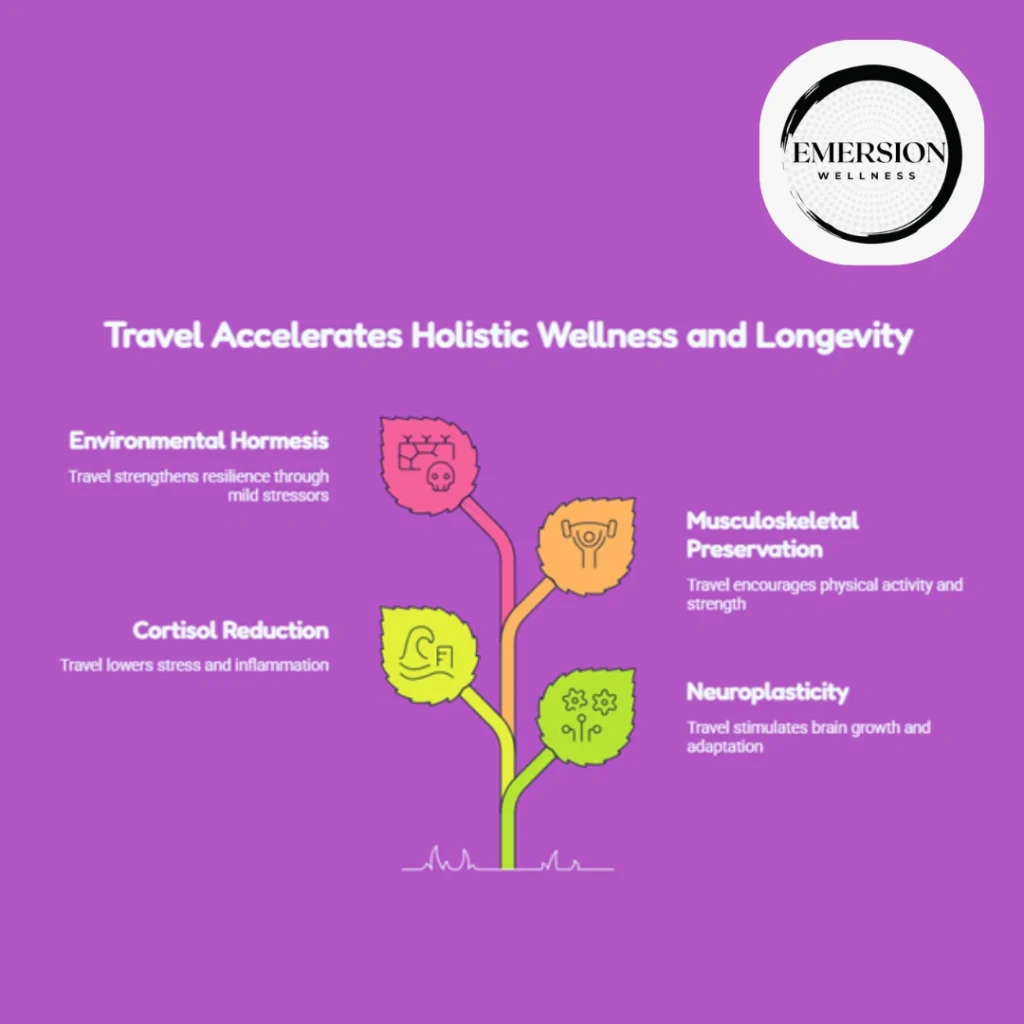
A fascinating, first-of-its-kind study conducted by researchers at Edith Cowan University (ECU) has revealed that travel is far more than an escape from daily routines or a luxury indulgence. Instead, strategic tourism functions as a powerful, non-pharmacological therapy that can actively slow down cellular degeneration, fortify physical health, and boost psychological longevity.

By immersing ourselves in novel environments, we trigger a cascade of positive physical and mental adaptations. When combined with intentional, expert-backed health strategies, travel transforms into a foundational pillar of lifelong wellness. Let's dive deep into the peer-reviewed science behind why exploring the world can expand your lifespan, and how you can plan your next journey to maximize its biological benefits.

The Biological Blueprint: How Tourism Rewires Your Body's Defense Systems

To understand how travel slows down biological aging, we have to look closely at the concept of entropy. In physics and biology, entropy represents the natural, gradual slide of a complex system into disorder. Biological aging is, at its core, a accumulation of cellular entropy- where your body’s self-healing mechanisms slowly lose the battle against environmental wear-and-tear.

The Edith Cowan University study, led by PhD researcher Fangli Hu, applied this principle to tourism. The research concluded that positive travel experiences help maintain a state of low entropy in the human body. It achieves this by stimulating our metabolic systems, triggering adaptive immune responses, and activating the body's natural self-organizing capabilities. When you step out of your comfort zone, you aren't just changing your view; you are giving your entire cellular ecosystem a restorative wake-up call.

Activating the Adaptive Immune System

When we travel to new destinations, our bodies encounter unfamiliar, low-level environmental stimuli and diverse microbiomes. Rather than making us ill, moderate exposure to new settings acts like a gentle workout for our immune systems. This exposure trains our adaptive immune responses, making the body more resilient against external biological threats. This process strengthens our natural defenses, keeping our cellular self-healing mechanisms sharp and responsive as we age.

Improving Cardiovascular and Metabolic Efficiency

The physical movement required by travel- whether navigating an unfamiliar city, walking through terminal gates, or exploring a nature trail- improves blood circulation and speeds up nutrient transport. This increased circulatory efficiency helps your body remove metabolic waste products more effectively. The result is a highly active, self-cleaning biological system that prevents the cellular stagnation often associated with premature aging and sedentary lifestyles.

4 Scientific Reasons Travel Accelerates Holistic Wellness and Longevity

The intersection of travel and longevity goes far beyond physical movement. True longevity requires a holistic approach to wellness- one that nurtures the mind, protects the nervous system, and preserves physical mobility. Science shows that travel hits all of these targets simultaneously through four distinct biological pathways.

1. Neuroplasticity and Brain Youth

One of the most profound markers of biological youth is cerebral neuroplasticity- the brain's ability to grow, adapt, and build new neural pathways. According to global research on the world's "Blue Zones" (regions where people live significantly longer than average), an active social life and continuous cognitive stimulation are vital for preventing neurodegenerative diseases like dementia.

Travel forces the brain to stay highly active. Learning a few words of a new language, navigating public transportation in a foreign city, and interacting with new cultures creates new pathways between neurons. Many modern travelers now prioritize this mental reset. Surveys conducted by travel technology firm Amadeus show that 41% of global travelers actively seek journeys that leave them with a "calmer nervous system" and a "refreshed brain."

2. Rapid Reduction of Cortisol and Chronic Inflammation

Chronic stress is a known accelerator of biological aging. When you operate under constant pressure, your body releases high levels of the stress hormone cortisol. Over time, elevated cortisol causes silent, systemic inflammation, which shortens your telomeres- the protective caps on the ends of your chromosomes that serve as an internal biological clock.

Leisure travel breaks this cycle by removing us from deadlines and daily pressures. Immersing yourself in beautiful, natural environments causes a measurable drop in cortisol levels, while boosting feel-good neurotransmitters like serotonin and endorphins. This shift slows down telomere shortening, giving your body a chance to repair itself at a cellular level.

3. Preservation of Musculoskeletal Mass

Sarcopenia, the natural loss of muscle mass and bone density as we age, is a major threat to long-term health. Travel naturally counters this decline by encouraging functional fitness. Without even realizing it, travelers spend hours walking, hiking, swimming, or trying out new recreational sports. This consistent, low-to-moderate physical activity strengthens muscles, supports joint health, and maintains the flexibility needed to stay vibrant and independent into your later years.

4. Environmental Hormesis

Hormesis is a biological phenomenon where a brief, mild stressor triggers a powerful protective response that leaves the organism stronger than before. Travel provides a healthy dose of environmental hormesis. Changing altitudes, adapting to different climates, and switching up your daily routine forces your metabolism to adapt. This gentle challenge optimizes your metabolic rate and improves your body's overall resilience.

How to Design an Effective Anti-Aging Itinerary

Not all travel is created equal. A frantic, chaotic, over-scheduled trip can actually increase your stress levels, flood your body with cortisol, and reverse the anti-aging benefits discovered by science. To turn your next vacation into an authentic journey towards optimal wellness, you need to design it with intention.

The Art of Digital Detox

Constantly checking your phone, managing work emails, or trying to capture perfectly curated photos for social media creates a subtle, ongoing anxiety. This hyper-connected state prevents your nervous system from truly unwinding. To get the full longevity benefits of your trip, try a conscious digital detox. Limit your screen time, leave work notifications behind, and experience your surroundings directly with your own eyes rather than through a smartphone screen.

Embracing "Slow Tourism" and Off-Season Travel

Popular tourist destinations suffer from overtourism, turning a relaxing getaway into a stressful battle with crowds and long lines. Instead, seek out destinations off the beaten path or plan your trips during the shoulder seasons. Traveling off-season not only lowers your stress levels, but also allows you to experience authentic local life, slow down your pace, and truly connect with your environment.

Cultivating New Habits and Active Play

Use your time away from home to step out of your comfort zone and try a new hobby. Whether it’s taking a surfing lesson, joining a regional cooking class, or learning a traditional craft, engaging in playful, novel activities challenges both your mind and body. You'll return home with new neural connections, an energized spirit, and a younger biological profile.

Elevating Your Journey with Professional Wellness Support

While independent travel offers incredible health benefits, combining your vacation with an expert-led, structured program can maximize your results. This is where dedicated health tourism can elevate a simple vacation into a transformative lifestyle shift.

For those looking to combine travel with highly targeted longevity strategies, partnering with a specialized health management group makes a world of difference. Organizations like Emersion Wellness focus on creating tailored programs that seamlessly integrate health optimization into your travel experiences.

Rather than returning home from a trip feeling exhausted, an expert-backed itinerary ensures you head back with a calm nervous system, improved physical fitness, and practical, healthy habits that you can maintain for life. Incorporating professional guidance into your travels helps you focus on evidence-based health practices, transforming your vacation into a long-term investment in your vitality.

Conclusion: Make Travel Your Lifelong Longevity Plan

The scientific consensus is clear: exploring the world isn't just a way to collect souvenirs or check off bucket-list destinations- it is a vital, evidence-based strategy for living a longer, healthier life. By intentionally stepping away from our everyday routines, embracing new cultures, moving our bodies, and allowing our minds to rest, we naturally combat the physical effects of aging from the inside out.

True vitality requires a commitment to a lifestyle focused on proactive health. If you are ready to turn your next vacation into a powerful longevity therapy, take the next step toward optimizing your vitality. Explore personalized health and travel strategies designed to restore your mind, body, and spirit.

Also Read: 10 Powerful Ways Contactless Hospitality Services Will Boost Your Hotel Revenue

Frequently Asked Questions

How exactly does travel help slow down the biological aging process?

Travel introduces you to new environments and experiences that break the cycle of chronic stress. This reduction in stress lowers your cortisol levels and calms systemic inflammation, which preserves the length of your telomeres- a key marker of your biological age. Additionally, the physical movement and mental stimulation involved in travel keep your metabolic systems active and efficient, maintaining a state of low cellular entropy.

Can a short weekend trip provide the same longevity benefits as a long vacation?

Yes, even short trips can offer meaningful health benefits if you handle them correctly. The critical factor is completely unplugging from your daily stressors. A short, intentional weekend trip focused on a digital detox, spending time in nature, and slow pacing can quickly lower your cortisol levels and refresh your nervous system.

What did the Edith Cowan University study discover about travel and immunity?

The study found that traveling exposes us to new surroundings, mild climate changes, and different regional microbiomes. This mild exposure acts as a gentle, positive challenge for the body, stimulating our adaptive immune responses and boosting our natural self-healing and defense mechanisms.

How does travel support long-term brain health and prevent cognitive decline?

Travel naturally challenges your brain by forcing it to adapt to unfamiliar settings, languages, cultures, and layouts. This cognitive stimulation improves neuroplasticity- the brain's ability to build new neural pathways- which helps keep your mind sharp and builds resilience against neurodegenerative conditions like dementia.

What is "slow tourism," and why is it recommended for healthy aging?

Slow tourism is a travel philosophy that focuses on connecting deeply with a local destination, its culture, and its people, rather than rushing through a packed checklist of sights. By slowing down, you avoid the anxiety and logistics stress of over-scheduled travel, allowing your body to remain in a deeply restorative, low-stress state.

Why is packing light considered an important anti-aging strategy?

Traveling with heavy luggage increases your physical strain and can cause spikes in anxiety, especially during airport transits or transfers. Packing light creates a psychological sense of freedom, removes the stress of wondering what to wear, and prevents elevated cortisol levels caused by lost baggage or heavy lifting.

How can I protect my sleep schedule and circadian rhythms while traveling across time zones?

To support your body's natural sleep rhythms, adjust your light exposure by getting outside into natural sunlight as soon as you arrive at your destination. Staying well-hydrated, avoiding heavy meals or caffeine close to bedtime, and considering gentle movement upon arrival can also help your internal clock adapt more smoothly to a new time zone.

Can introverted individuals get the same social health benefits from travel?

Absolutely. Social health during travel doesn't require being the loudest person in the room. For introverts, meaningful social connections can come from brief, quiet interactions, such as chatting with a local artisan, taking a small group class, or simply observing and appreciating a new culture. These meaningful moments still stimulate the brain and trigger positive emotional responses.

What role does nature play in reducing stress during a trip?

Spending time in natural settings- often called forest bathing or green exercise- has a direct, measurable calming effect on our nervous systems. Being in nature lowers your heart rate, reduces blood pressure, and cuts down the production of stress hormones, making nature-focused destinations a powerful choice for health-conscious travelers.

How can professional health management groups enhance the benefits of a trip?

Professional groups like Emersion Wellness take the guesswork out of planning by designing highly structured, evidence-based health itineraries. They blend the stress-reducing aspects of travel with targeted therapies, functional fitness, and personalized guidance. This comprehensive support ensures your trip serves as a meaningful, long-term investment in your sustainable health and vitality.

The Future of Fitness: Decoding the ACSM 2026 Trends to Transform Your Health Journey

Introduction

The landscape of health and wellness is undergoing a massive, data-driven transformation. We are moving away from chasing intensity for its own sake and leaning into longevity, smarter technology, community connection, and a more holistic view of physical and mental health.

According to the American College of Sports Medicine (ACSM), which recently celebrated the 20th anniversary of its Worldwide Fitness Trends forecast, our relationship with movement has fundamentally changed. The 2026 report compiled from a comprehensive survey of thousands of clinicians, researchers, and exercise professionals- reveals that modern health enthusiasts are no longer guessing their way through workouts. Instead, they are tracking, personalizing, and integrating their routines to fit their lifestyle, biological age, and mental well-being.

At Emersion Wellness, we align our premier wellness philosophies with these shifting patterns. True vitality requires a careful blend of cutting-edge innovation and sustainable, evidence-based practices. By analyzing the future of fitness through the lens of the latest global trends, you can upgrade your routine from a temporary weekly chore into a lifelong roadmap for thriving.

The Technological Revolution in Modern Exercise

Technology has completely redefined how we move, measure, and maximize our physical potential. The future of fitness is highly digitized, yet incredibly personalized, turning everyday metrics into actionable strategies for behavior change and longevity.

Wearable Technology Reclaims the Top Spot

For the third consecutive year- and holding the number one position nine times in survey history- wearable technology stands as the definitive driver of the fitness world. Nearly half of all adults now wear a fitness tracker, smartwatch, heart rate monitor, or smart ring.

However, the conversation around wearables has evolved. It is no longer just about hitting an arbitrary "10,000 steps" goal. Advanced biosensors now monitor heart rate variability (HRV), blood pressure, blood glucose, sleep architecture, recovery readiness, and even fall or crash detection. This real-time and trend-based health data allows individuals and coaches to make immediate, highly nuanced adjustments to training and recovery. At Emersion Wellness, we believe that when applied with clear intention, wearables cease to be mere novelties and become essential instruments for accountability and sustained engagement.

Mobile Exercise Apps and Data-Driven Customization

Ranking fourth overall, mobile exercise apps act as the central hub for our digital metrics. With hundreds of millions of users worldwide, these applications provide unprecedented accessibility to structured training, on-demand classes, and self-monitoring tools.

The true value of these apps lies in their ability to foster habit-forming elements, such as reminders, personal milestones, and social features. When integrated seamlessly with wearable tech, mobile apps remove the guesswork from exercise. They offer flexible, tech-enabled options that allow you to bring high-quality coaching directly into your home or hotel room, keeping you consistent regardless of where life takes you.

Longevity, Functional Strength, and the Shift in Demographics

As the global population shifts, our collective fitness goals are moving toward expanding our "healthspan"- the period of life spent in good health- rather than just our lifespan. The industry is responding with highly specific programming focused on capability, vitality, and safety.

Fitness Programs for Older Adults

Securing the number two spot for 2026, fitness programs for older adults are booming. The baby boomer generation is prioritizing active aging like never before, and adults over 65 visit fitness environments more frequently than any other demographic.

Modern active aging completely avoids old-fashioned, patronizing stereotypes. Today's older adults are participating in sophisticated regimens that address the unique physiological changes associated with aging. These programs place heavy emphasis on:

Traditional Strength Training and Functional Fitness

A major cultural milestone is the universal realization that muscle strength is an extraordinary predictor of human longevity. Recent clinical research confirms that greater muscular strength is independently associated with a lower risk of all-cause mortality, even if someone misses their weekly aerobic exercise goals.

The modern approach combines traditional strength training (using free weights, barbells, and dumbbells) with functional fitness training. Functional fitness emphasizes multi-planar movements, coordination, and natural biomechanics that mirror day-to-day activities. Learning the precise skill of lifting ensures that you protect your joints, improve your posture, and build a resilient body that remains completely capable through every season of life.

Weight Management and the Rise of Holistic Mind-Body Health

The definition of a successful physical routine has widened. It is no longer just about burning calories; it is about building metabolic resilience and cultivating mental peace.

Exercise for Weight Management in the Modern Era

Ranking at number three- its highest position in survey history- exercise for weight management has taken on critical importance. With the rapid rise and widespread adoption of weight loss medications (such as GLP-1 agonists), the medical and fitness communities have noticed an essential truth: pharmacological assistance drops weight, but targeted exercise ensures that weight loss comes from body fat rather than lean muscle tissue.

Preserving lean mass through consistent exercise is vital for maintaining a healthy metabolic rate. Weight management is a long-term journey of composition, metabolic health, and metabolic maintenance, rather than just chasing a smaller number on a scale.

Balance, Flow, and Core Strength for Mental Well-Being

Placing fifth on the ACSM list, balance, flow, and core strength classes group together the incredible rise of yoga, Pilates, barre, and tai chi. Participation in these mobility-focused practices has skyrocketed, driven by a broader cultural shift toward holistic health.

These practices perfectly complement the sixth trend on the list: exercise for mental health. Physical movement is a clinically proven strategy to alleviate depressive symptoms, relieve chronic stress, and boost cognitive function. By incorporating mindful movement, breathwork, and deep core stability, you don't just train your muscles- you calm your nervous system, building a bridge between physical power and emotional resilience.

The Future of Fitness Decoding the ACSM 2026 Trends to Transform Your Health Journey infographic

Designing Your Personalized Blueprint with Emersion Wellness

Navigating the ever-changing landscape of modern health requires a trusted ally. While tracking data and downloading apps provides an excellent foundation, true transformation occurs when these separate pieces are woven into a comprehensive, cohesive lifestyle strategy.

At Emersion Wellness, we specialize in translating cutting-edge fitness science into deeply personalized, practical wellness experiences. We look at your body as a whole system, considering your metabolic data, functional movement patterns, stress indicators, and personal longevity goals. Our team helps you cut through the technological noise, ensuring that your wearable data transforms into sustainable habits, and your physical routines actively nourish your mental health.

Whether you are looking to revitalize your body, optimize your daily energy, or build an enduring foundation for long-term health, we provide the expert guidance and clinical foundation necessary to help you succeed.

The Verdict: Step Into Your Healthier Tomorrow

The future of fitness proves that your health journey is no longer a one-size-fits-all formula. It is an empowering, data-backed exploration of what your body can truly achieve when given the right tools, programming, and community support. By embracing smart technology, prioritizing functional strength, and honoring the deep connection between your mind and body, you can take complete ownership of your long-term vitality.

Are you ready to stop guessing and start thriving with a highly tailored approach to your well-being?

1.Evaluate Your Current Baseline: Takes 5 minutes.

Look closely at your current physical habits. Are you effectively leveraging wearable data, or are you simply tracking steps? Note down your main goals- whether it is functional strength, fat loss, or better stress management.

2.Connect with an Expert: Scheduling phase.

Reach out to a specialized wellness consultant who understands how to bridge the gap between clinical data, modern trends, and your unique bio-individuality.

3.Implement a Tailored Strategy: Ongoing transformation.

Begin a dynamic, professionally structured routine that incorporates balance, strength, proper recovery, and intentional technology use to track your real-time improvements.

Read Also: A Comprehensive Guide to Maximising Your Hotel's Fitness Centre Revenue

Frequently Asked Questions

What is the number one fitness trend according to the ACSM 2026 report?

The number one trend for 2026 is Wearable Technology. This includes smartwatches, fitness trackers, smart rings, and heart rate monitors. The focus has shifted from simple tracking to using advanced biosensors for analyzing deep health trends, sleep architecture, and recovery data.

Why is traditional strength training considered essential for the future of fitness?

Strength training is highly valued because muscle mass and strength are directly linked to longevity and a lower risk of all-cause mortality. It helps preserve bone density, maintains metabolic rates, and ensures joint stability as we age.

How do mobile apps help improve my fitness routine?

Mobile exercise apps provide accessibility, structure, and seamless tracking tools. They allow you to bring professional training plans, on-demand classes, and data monitoring wherever you go, increasing consistency and exercise adherence.

What are the key elements of fitness programs designed for older adults?

Modern active aging programs focus heavily on functional fitness, resistance training to combat muscle loss, balance and mobility training to prevent falls, and low-impact cardio to keep the cardiovascular system highly resilient.

How does exercise support weight management when taking weight loss medications?

When individuals lose weight rapidly via medical intervention, a significant portion of that loss can come from lean muscle tissue. Engaging in targeted exercise- especially strength training- ensures that you preserve lean muscle and lose fat, protecting your overall metabolic rate.

What does "Balance, Flow, and Core Strength" encompass?

This combined trend includes mind-body practices like yoga, Pilates, barre, and tai chi. These classes focus heavily on core stabilization, mobility, flexibility, and coordination, which are foundational for injury prevention and holistic health.

How does regular exercise positively impact mental health?

Physical activity stimulates the release of neurotransmitters like endorphins and serotonin, which naturally elevate mood. It lowers cortisol levels (the stress hormone), improves sleep quality, and is a clinically validated tool for reducing anxiety and depression.

What is the difference between a fitness trend and a fitness fad?

According to the ACSM, a trend signifies a widely adopted, sustained pattern in behavior, programming, or industry offerings that shows measurable, long-term market presence. A fad is a temporary enthusiasm that fades away quickly after initial hype.

How does Emersion Wellness help me integrate these fitness trends?

Emersion Wellness takes the guesswork out of the equation by analyzing your data, functional movement, and personal lifestyle. We create a cohesive, professional wellness roadmap that blends technology, strength training, and mindful recovery tailored exactly to your body.

Can beginners safely start a functional fitness or strength routine?

Yes, absolutely. The key to functional fitness is that it can be scaled to any fitness level. Working with certified professionals ensures you learn proper lifting techniques and structural safety, allowing you to build strength progressively and avoid injury.

LINGTOGEL77