
Introduction
The landscape of modern health is undergoing a monumental shift. No longer is wellbeing defined by a standard annual check-up, generic fitness advice, or reactive medical treatments that only address symptoms after they appear. As we move deeper into an era of unprecedented technological integration, the philosophy of health has pivoted decisively toward proactive longevity, metabolic resilience, and hyper-personalisation.
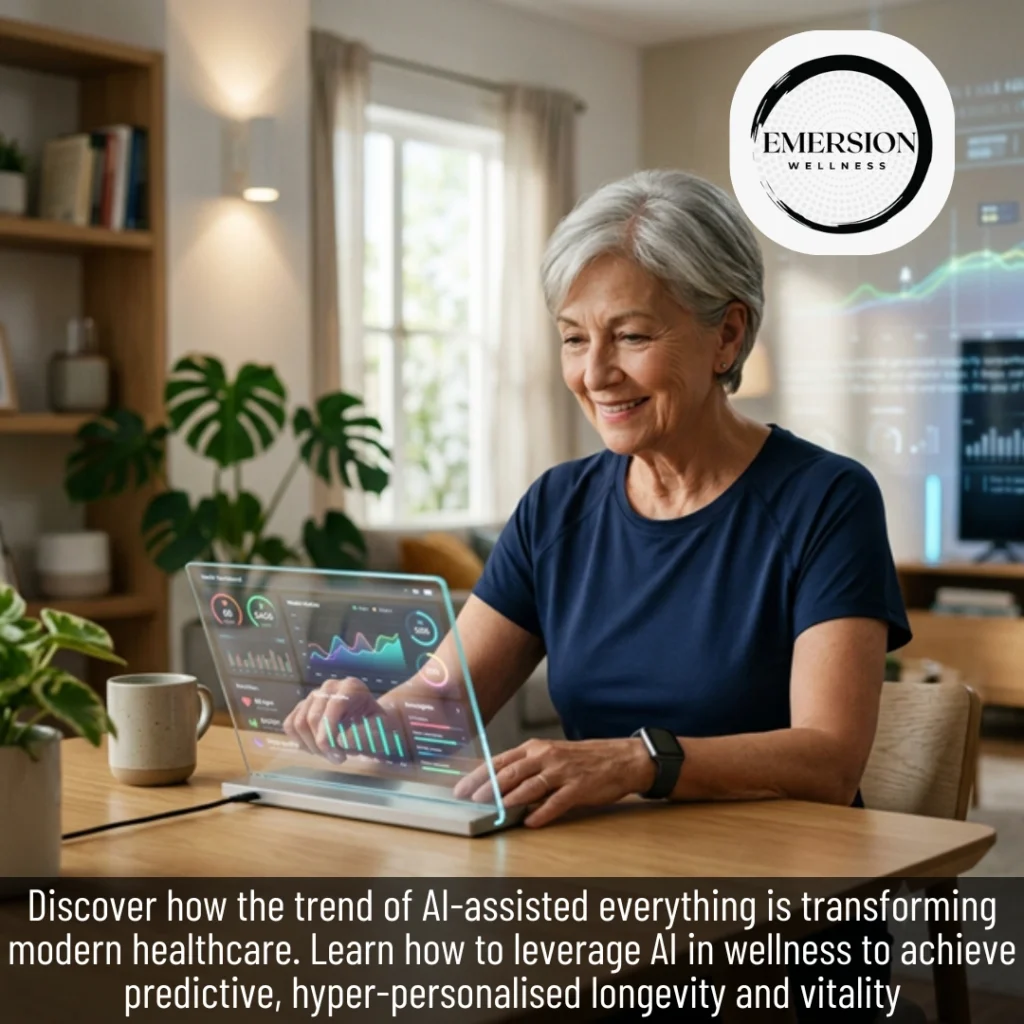
According to recent insights from industry pioneers like Prenuvo, the overarching theme defining the future of self-care is AI-assisted Everything. Artificial intelligence has officially transitioned from a background administrative tool into an active, intelligent collaborator in human health. It is woven seamlessly into our wearables, diagnostics, preventative screening protocols, and daily routines.
For forward-thinking individuals and organisations, understanding how to harness AI in wellness is no longer optional- it is the foundational pillar of modern vitality. By translating vast oceans of biological data into clear, actionable lifestyle strategies, artificial intelligence empowers individuals to optimise their healthspan alongside their lifespan.
The Rise of Predictive Health: Moving Beyond Reactive Medicine
For decades, the standard healthcare model has operated on a reactive basis. Individuals typically wait until they experience discomfort, fatigue, or measurable symptoms before seeking medical counsel. This approach is inherently flawed when managing long-term vitality, as many chronic conditions develop silently over years before manifesting outwardly.
The integration of artificial intelligence changes this dynamic entirely by introducing predictive analytics. Instead of treating illness, the combination of advanced diagnostics and machine learning focuses on identifying subtle physiological deviations before they turn into clinical issues.
The Evolution of Advanced Diagnostics
Traditional annual check-ups are increasingly viewed as incomplete. A standard blood panel or a basic physical provides only a brief snapshot of a single moment in time. In contrast, advanced preventative health tools- such as whole-body MRI imaging, biological age assessments, and epigenetic tracking- generate thousands of complex data points.
Artificial intelligence thrives on this complexity. Machine learning algorithms can scan deep imaging results or complex biomolecular profiles to detect microscopic variations that might escape the human eye. This predictive capability allows individuals to construct an accurate baseline of their internal health, turning vague symptoms into clear, data-driven insights.
Shifting from Healthcare to Health Management
With AI acting as a continuous analytical layer, health management becomes a dynamic, ongoing process rather than an annual obligation. This paradigm shift aligns perfectly with the ethos of Emersion Wellness, where the focus is placed on continuous optimisation and robust preventative care. By combining cutting-edge technology with structured lifestyle programs, individuals can move away from defensive medicine and move toward a lifestyle of deliberate, sustained high performance.
11 Exploding Health Trends Driven by Artificial Intelligence
The concept of AI-assisted Everything manifests across every sector of modern wellbeing. When analysing the latest shifts in consumer behaviour and clinical technology, it becomes evident that artificial intelligence serves as the core engine driving the most significant health movements today.
1. Upgraded Annual Bloodwork
The standard complete blood count is being replaced by specialty biomarker panels. Consumers are now demanding deep dives into insulin resistance, advanced lipid particles, comprehensive hormone balances, and metabolomics. AI platforms analyse these multi-page lab results to map out exact correlations, showing how a slight elevation in one marker influences another, giving a truly holistic view of metabolic health.
2. The Proliferation of Health Memberships
Concierge-style medicine is transitioning away from an exclusive luxury for the wealthy into a structured membership model for proactive individuals. These health memberships leverage digital platforms to provide continuous access to practitioners, ongoing diagnostic schedules, and automated health monitoring, ensuring that preventative care is integrated into daily life.
3. Annual Advanced Screening Rituals
Scheduling a routine physical is evolving into a comprehensive annual health ritual. Proactive individuals are investing in yearly whole-body scans and genomic sequencing to track internal changes over time. AI models compare these annual scans down to the millimetre, highlighting any structural or cellular changes that require attention.
4. The Ultra-Processed Food Reckoning
The conversation around nutrition has moved past basic calorie counting and macro tracking. The primary question today is centred on food processing: How close is this food to its original form? Advanced nutrition apps use computer vision and machine learning to analyse ingredient integrity, helping consumers identify hidden ultra-processed additives that drive systemic inflammation.
5. The Inflammation Conversation
Chronic, low-grade inflammation is widely recognised as a root driver of metabolic dysfunction and premature aging. Modern wellness strategies focus heavily on identifying and neutralising these silent inflammatory triggers. AI assists by cross-referencing inflammatory biomarker trends with sleep, stress, and dietary data to pinpoint exact lifestyle causes.
6. Peptides Going Mainstream
From growth-hormone secretagogues to precise metabolic regulators, peptides are moving to the centre of the longevity conversation. The global peptide market is projected to grow significantly as people utilise these precise amino acid chains for tissue repair, immune support, and metabolic optimisation. AI algorithms accelerate this trend by modelling peptide-receptor interactions to help researchers discover highly targeted therapies.
7. Muscle as a Critical Metabolic Marker
Sarcopenia- the age-related loss of skeletal muscle mass- is no longer viewed merely as a cosmetic or mobility issue. Muscle is now treated as a critical endocrine organ that dictates insulin sensitivity and metabolic flexibility. Modern fitness regimens utilise AI-powered motion tracking and resistance optimisation to ensure individuals build and preserve metabolically active lean mass efficiently.
8. Proactive Brain Health Optimisation
The historical assumption that cognitive decline is an inevitable part of aging is being systematically dismantled. The modern goal is to actively preserve brain volume, white-matter integrity, and reduce neuroinflammation. Wearable neuro-trackers and cognitive training platforms use artificial intelligence to monitor focus, working memory, and mental fatigue, providing real-time data to help protect long-term brain health.
9. Precision Microbiome Personalisation
Gut health has progressed far beyond generic probiotic supplements. The current standard relies on precise microbiome sequencing to identify the specific bacterial strains residing in the gut. Because every individual's microbiome reacts differently to specific foods, AI engines process these complex genetic sequences to generate highly customised dietary blueprints that optimise fat metabolism and enhance mood via the gut-brain axis.
10. Next-Generation Sleep Optimisation
Sleep is treated as a non-negotiable foundation for cellular repair and cognitive recovery. The integration of AI into sleep technology has led to the development of smart environments- such as temperature-controlled bedding and real-time biometric tracking- that adjust dynamically to an individual's sleep stages, actively extending the duration of deep and REM sleep cycles.
11. AI-Assisted Everything
Tying all these individual movements together is the overarching reality of pervasive artificial intelligence. Generative AI and advanced machine learning models act as the connective tissue across all health data. By aggregating info from your microbiome, bloodwork, sleep trackers, and fitness devices, AI transforms isolated statistics into a unified, intelligent, and highly personalised health strategy.
Practical Applications of AI in Wellness
To truly benefit from the trend of AI-assisted Everything, it is useful to explore how this technology operates practically within a modern wellbeing strategy. Artificial intelligence is not here to replace human intuition or clinical expertise; rather, it amplifies our capability to make precise, informed decisions about our bodies.
Smart Wearables as Always-On Health Coaches
The current generation of wearables has evolved far beyond counting steps or recording basic heart rates. Modern devices continuously track heart rate variability (HRV), blood oxygen saturation, respiratory rates, skin temperature, and even transdermal glucose levels.
When applied within a structured ecosystem, the use of AI in wellness allows these devices to move from descriptive tracking (what happened) to prescriptive guidance (what to do next). For example, an AI algorithm can analyse a sudden drop in your overnight HRV alongside a slight rise in skin temperature to predict oncoming physical strain or illness, advising an immediate shift in training intensity or recovery protocols.
Hyper-Personalised Nutrition and Metabolic Guidance
Generic dietary guidelines are inherently limited because human metabolisms are highly individual. A food that causes a stable, sustained energy release in one person might trigger a significant blood glucose spike in another.
AI-driven nutritional platforms solve this complexity by analysing concurrent data streams- such as continuous glucose monitor (CGM) data, gut microbiome sequencing, and systemic inflammatory markers. The resulting algorithmic output provides a precise, dynamic nutritional plan that updates in real time based on your current activity levels and metabolic state, removing the guesswork from eating for longevity.
Streamlining Corporate Wellness and Scalable Care
On an organisational level, implementing sophisticated health strategies has historically been logistically challenging and cost-prohibitive. Artificial intelligence removes these barriers by enabling scalable, automated personalisation.
In corporate wellness frameworks, AI platforms can analyse aggregated, anonymised workforce biometrics to identify widespread burnout risks or metabolic trends. This allows companies to deploy highly targeted wellness initiatives that address the specific needs of their team, drastically improving engagement and health outcomes while optimising corporate wellness investments.
The Emersion Wellness Philosophy: Integrating Tech with Human Optimisation
While the rise of AI-assisted Everything provides incredible access to data, data alone does not guarantee health. A spreadsheet full of biomarkers, sleep scores, and genetic variations can easily become overwhelming without a structured framework to convert those insights into daily habits.
This intersection of advanced data and practical execution is where Emersion Wellness delivers its primary value. Technology functions best when it serves as a precise compass, guiding targeted lifestyle interventions that are sustainable, scientifically validated, and tailored to the individual.
Balancing Algorithmic Insights with Behavioural Strategy
An AI model can determine the exact macronutrient ratio or sleep schedule required to optimise your metabolic flexibility, but it cannot perform the resistance training or manage your daily stress for you. True health optimisation requires combining advanced technological insights with proven behavioural strategies.
Emersion Wellness designs comprehensive pathways that integrate modern diagnostic tracking with structured support. This approach ensures that as you adopt advanced tools- whether they are specialty blood panels, neuro-trackers, or microbiome testing- you possess the clear, practical roadmap necessary to translate that data into measurable improvements in energy, focus, and long-term physical resilience.
Conclusion: Embracing the Future of Longevity
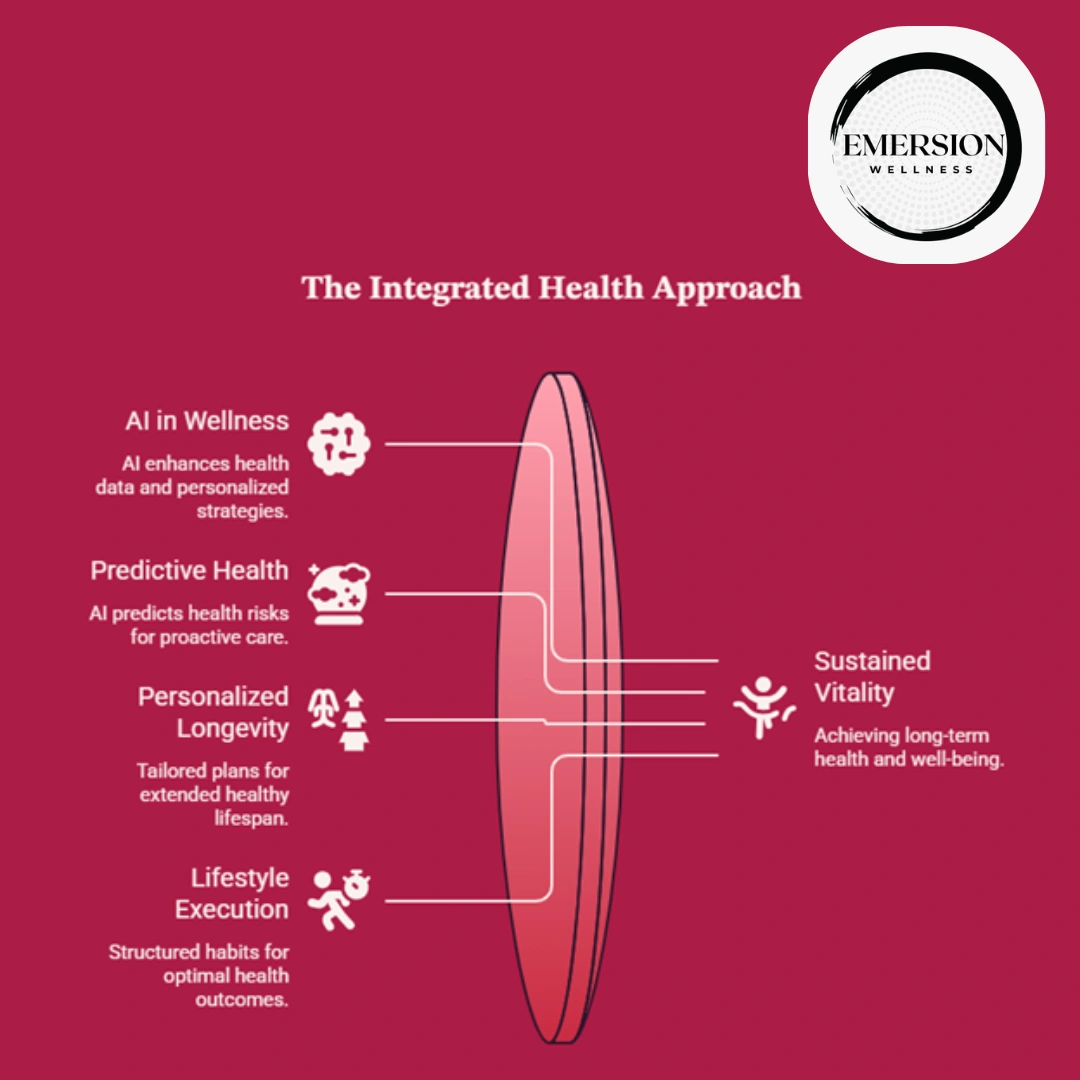
The evolution of health and wellness in 2026 and beyond is defined by a clear trend: the transition from generic, reactive care to predictive, hyper-personalised longevity strategy. The phenomenon of AI-assisted Everything is not a passing fad; it represents the permanent democratisation of advanced health data.
By intentionally adopting the tools of AI in wellness, you reclaim agency over your biological trajectory. You gain the ability to see inside your body, predict potential health vulnerabilities, and make daily choices based on precise data rather than general trends.
Achieving sustained vitality requires a deliberate partnership between cutting-edge innovation and structured lifestyle execution. Embracing this integrated approach is the most effective way to ensure your healthspan fully matches your lifespan.
Take control of your health trajectory today.
Read Also: A Comprehensive Guide to Maximising Your Hotel's Fitness Centre Revenue
Frequently Asked Questions
What does the term AI-assisted Everything mean for daily health?
It means artificial intelligence is integrated into your health tools to analyse biometrics continuously. Instead of just showing raw data, it provides predictive insights and personalised recommendations for diet, sleep, and exercise.
How does AI in wellness improve preventative health?
AI algorithms analyse complex diagnostic data like whole-body scans and advanced bloodwork to detect microscopic patterns. This allows for the identification of potential health risks long before symptoms manifest outwardly.
Can artificial intelligence replace a traditional doctor?
No, AI is designed to act as an advanced collaborator rather than a replacement. It processes massive datasets to provide doctors and individuals with precise information, making clinical decisions more accurate.
Why is traditional bloodwork considered outdated compared to modern options?
Standard blood panels offer a basic overview designed primarily to catch acute illness. Modern specialty panels look deeper into insulin resistance, advanced lipid metrics, and genetic risks to optimise overall vitality.
How do smart wearables use AI to optimise daily recovery?
AI models analyse overnight biometrics like heart rate variability and skin temperature. By recognising deviations from your personal baseline, the technology can predict physical fatigue and suggest optimal daily activity adjustments.
What is the connection between muscle mass and metabolic health?
Sarcopenia, or muscle loss, directly impairs insulin sensitivity and metabolic flexibility. Building lean skeletal muscle acts as a buffer against metabolic dysfunction, making resistance training essential for long-term longevity.
How does precision microbiome testing differ from taking standard probiotics?
Standard probiotics use generic bacterial strains that may not align with your system. Precision testing maps your specific gut ecosystem, allowing AI to generate a highly tailored dietary plan unique to your metabolism.
Is proactive health optimisation accessible for average individuals?
Yes, advanced diagnostics and membership-based health models are becoming increasingly scalable. As technology improves, tools that were once exclusive are now practical options for a broader audience.
How can companies benefit from integrating AI into corporate wellness?
AI platforms analyse aggregated biometric trends across a workforce without compromising individual privacy. This data allows organisations to design highly effective wellness initiatives that target actual employee health needs.
What is the best way to start a proactive longevity routine?
The most effective approach is establishing an accurate internal baseline through advanced diagnostics. Combining those data insights with a structured, practical lifestyle framework ensures consistent and measurable progress over time.
